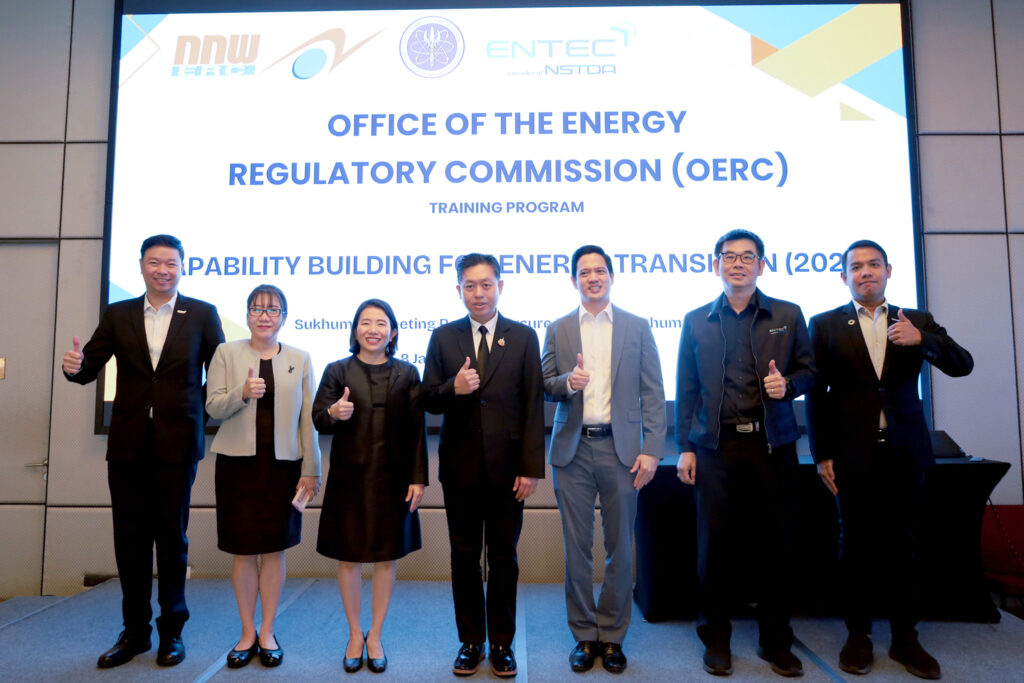
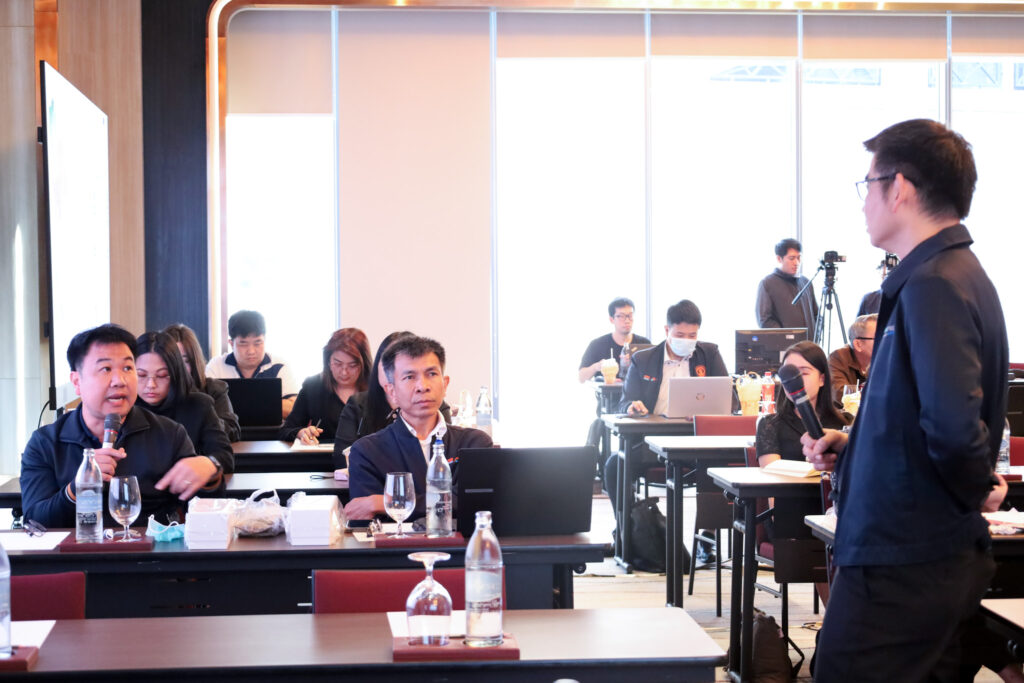
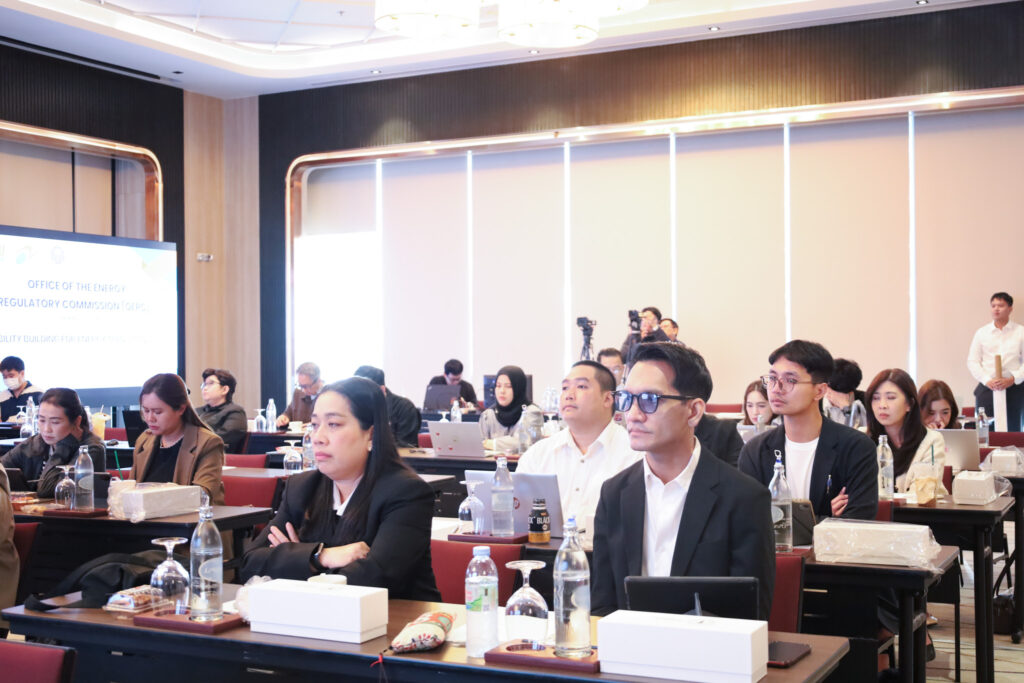
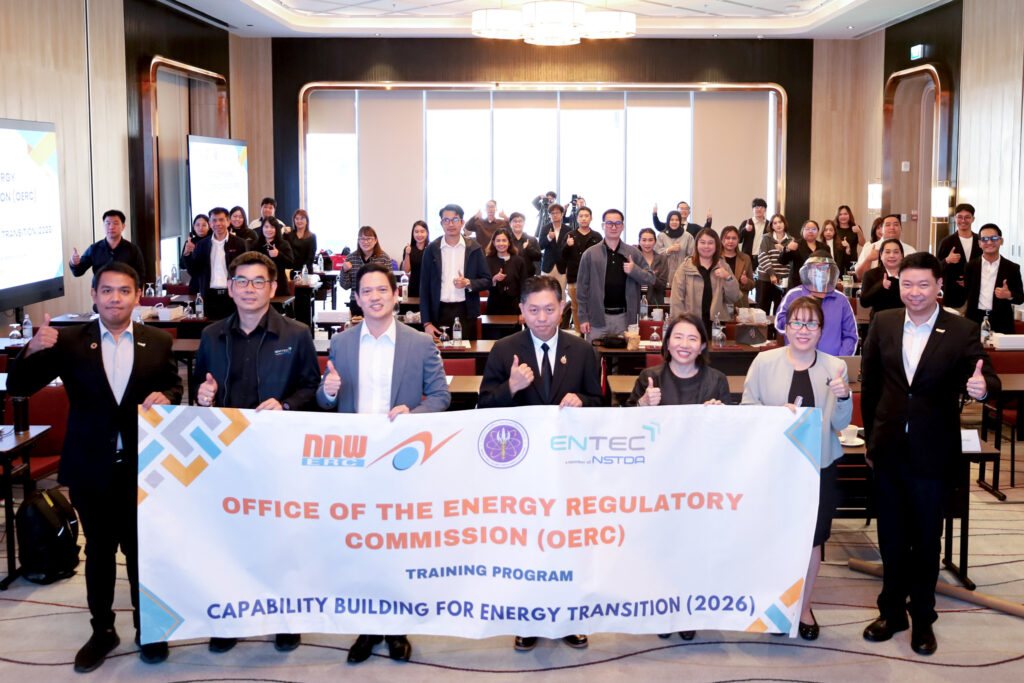
On January 8, 2026, Sukhumvit Meeting Room, Mercure Bangkok Hotel
The National Energy Technology Center (ENTEC), under the National Science and Technology Development Agency (NSTDA), in collaboration with the Energy Regulatory Commission (ERC), continued its fourth year of the “Capability Building for Energy Transition (2026)” training program. The program aims to strengthen knowledge and enhance the capabilities of ERC personnel in energy policy and technology, supporting Thailand’s transition toward a clean energy system and elevating the role of regulators as a key driving force in achieving the nation’s Net Zero goals.
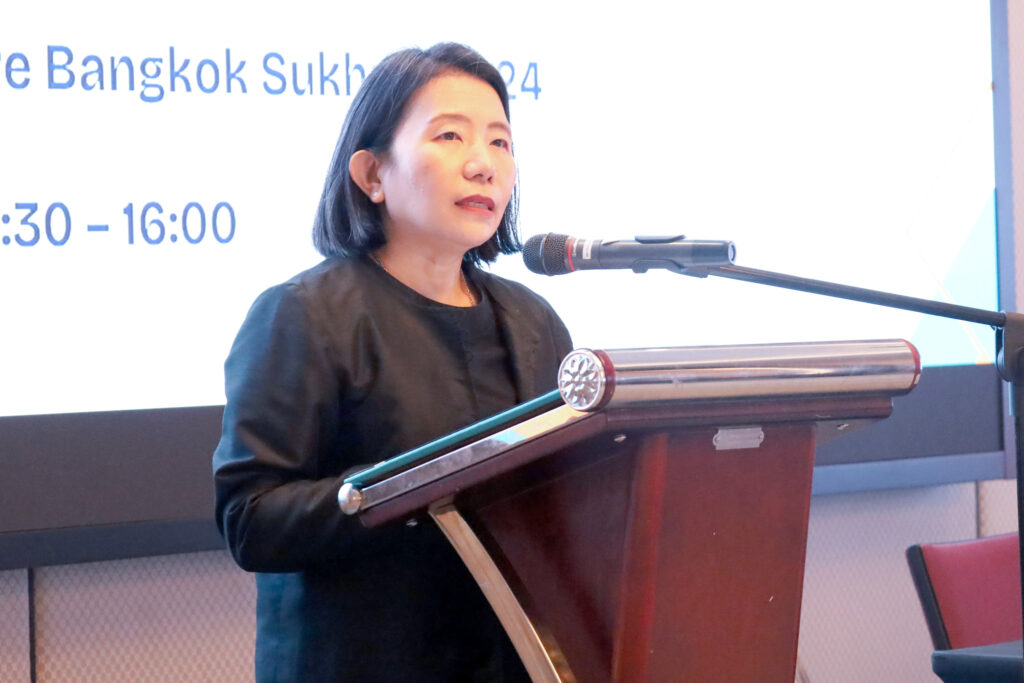
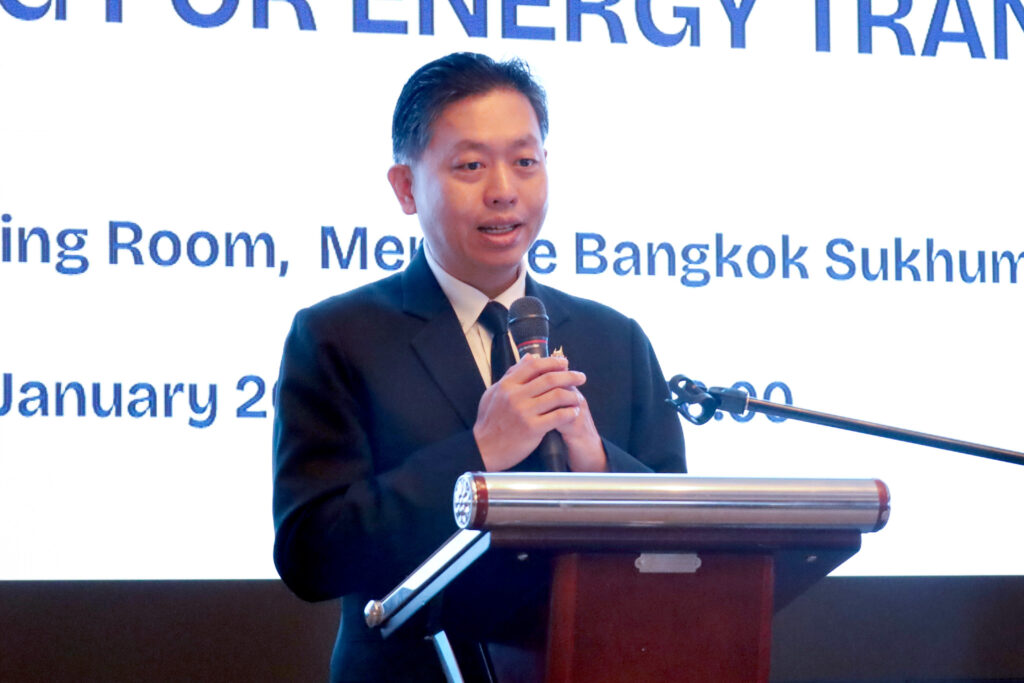
The opening session was honored by a welcome address from Dr. Sumittra Charojrochkul, Executive Director of ENTEC, alongside the ENTEC organizing team and experts, including Dr. Lily Eurwilaichitr, Executive Assistant Director of ENTEC; Dr. Nuwong Chollacoop, Director of the Low Carbon Energy Research Group and researchers Dr. Visarn Lilavivat and Dr. Kampanat Silva. The program was officially opened by Dr. Prasit Siritiprussamee, Deputy Secretary General of the Energy Regulatory Commission, who delivered a compelling and insightful opening address that set an inspiring tone for the initiative.
The “Capability Building for Energy Transition (2026)” curriculum is designed as a continuous year-long capacity development program, covering key topics including the future electricity markets, environmental and climate change issues, and advanced energy technologies, including energy storage systems, hydrogen, and Small Modular Reactor (SMR). The program also includes domestic and international study visits, aiming to strengthen the role of Thai regulators in designing forward-looking policies and regulatory mechanisms that support Net Zero targets and enable a just and sustainable energy transition.
The training content emphasizes building a comprehensive understanding of global energy transition trends, encompassing policy directions, technological developments, and their long-term impacts on energy system structures. International policy experiences are presented alongside global energy outlooks, highlighting the challenges faced by developing countries in translating Net Zero ambitions into concrete action. In addition, the program provides in-depth coverage of renewable energy technologies, an essential foundation for greenhouse gas emission reduction in the power sector, including wind energy, solar energy, and floating solar systems. These topics are explored through technological, policy, and structural perspectives, reflecting the key considerations regulators must address when designing rules and mechanisms that sustainably promote clean energy investment over the long term.
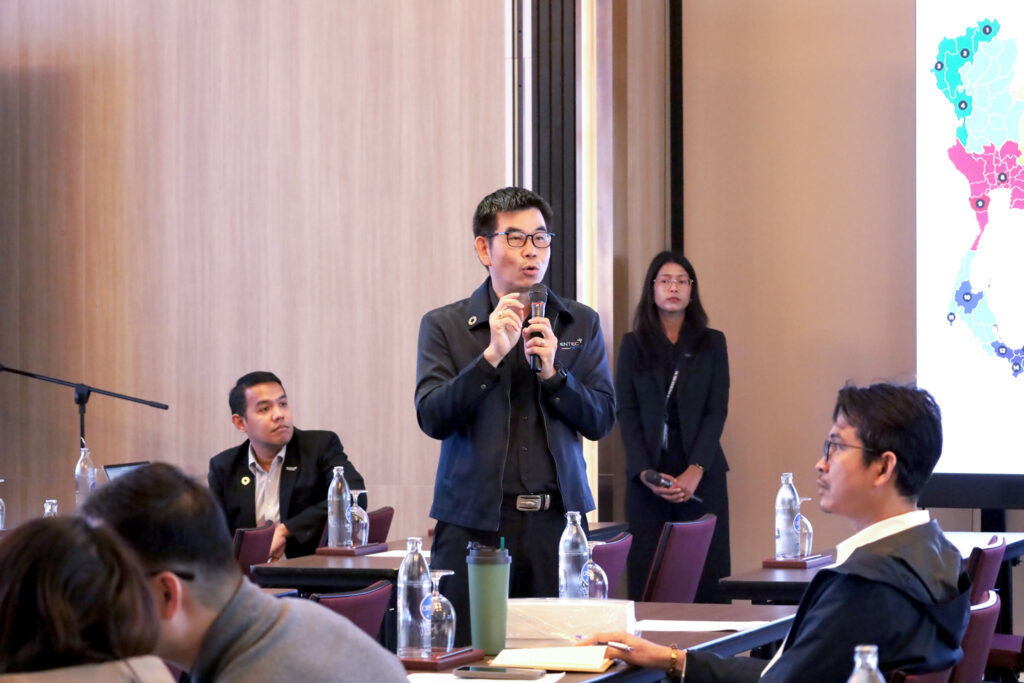
Dr. Sumittra Charrojrochkul, Executive Director of ENTEC, NSTDA, stated that energy transition is one of the most critical global challenges, requiring countries to prepare comprehensively in terms of policy, technology, and regulatory frameworks to achieve a secure, sustainable, and environmentally friendly energy system. Human capacity development, she emphasized, is at the heart of this transition. For 2026, the program has been carefully designed to cover all dimensions of energy transition and will be delivered in a hybrid format from January to April 2026, combining in-person lectures, online training, and domestic and international study visits. The curriculum consists of nine modules, including energy policy directions, renewable energy technologies, future electricity markets, climate change, energy storage technologies, hydrogen energy, and Small Modular Reactor (SMR). Beyond technology transfer, the program provides a platform for policy and regulatory dialogue, strengthening Thailand’s preparedness to navigate the evolving global energy landscape. ENTEC expects that its continued collaboration with the ERC will play a crucial role in enhancing regulatory capacity and supporting Thailand’s long-term transition toward a resilient and sustainable energy system.
Dr. Prasit Siritiprussamee, Deputy Secretary General Deputy of the Energy Regulatory Commission, noted that the global energy sector is undergoing a profound transformation driven by climate change concerns and greenhouse gas emissions from human activities, particularly the use of fossil fuels. As a result, many countries are accelerating structural changes toward renewable and clean energy systems. Thailand has announced ambitious targets to achieve carbon neutrality and Net Zero greenhouse gas emissions by 2050, advancing the original timeline by 15 years from 2065. This accelerated target is intended to ensure that Thailand’s energy sector and industries can adapt in time to rapidly changing global competition and regulatory frameworks.
In this context, energy transition is no longer an option but a necessity, requiring comprehensive readiness across policy, technology, market structures, and human resources. The ERC places strong emphasis on continuous capacity building for its personnel and has therefore partnered with ENTEC, NSTDA, to deliver the “Capability Building for Energy Transition” program. This initiative serves as a key mechanism for transferring energy technology knowledge and practical insights to ERC staff, enabling them to apply this understanding effectively in regulating Thailand’s energy system.
Dr. Prasit expressed confidence that the expertise and perspectives shared by leading specialists will broaden participants’ vision and form a solid foundation for advancing the ERC’s mission in alignment with Thailand’s long-term energy transition objectives.