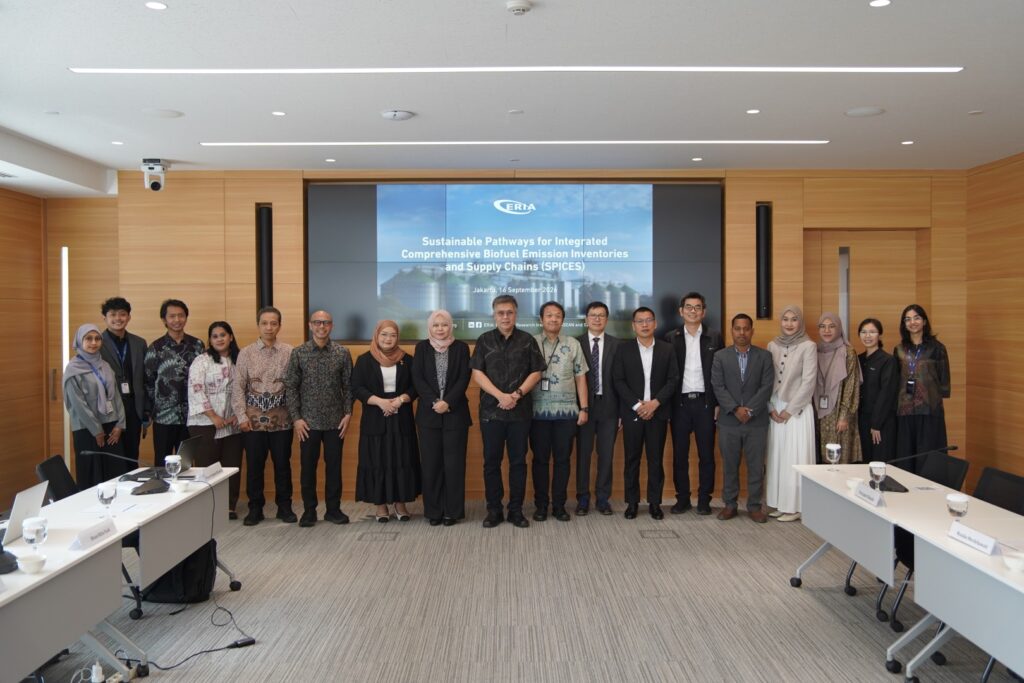
On 16 September 2026 at the ERIA Annex Office, Jakarta, Indonesia
The National Energy Technology Center (ENTEC), National Science and Technology Development Agency (NSTDA), together with the ASEAN Centre for Energy (ACE), co-led the workshop under Work Package 2 (WP2) of the “Sustainable Pathways for Integrated Comprehensive Biofuel Emission Inventories and Supply Chains (SPICES)” project, which is implemented by the Economic Research Institute for ASEAN and East Asia (ERIA). The workshop was convened to present and validate the study findings with representatives of ASEAN Member States and relevant stakeholders, before the findings are finalized into a final report and policy recommendations.
The SPICES project is delivered through three interlinked Work Packages: WP1 – ASEAN Biofuel Supply-Demand Modelling, WP2 – Regional Cooperation Framework on Biofuel and Stakeholder Engagement Activities, and WP3 – Life Cycle Assessment. Together, they combine technical, policy and environmental perspectives to advance ASEAN’s biofuel development and support its transition to a just and sustainable energy future.
The workshop was opened and closed by Dr. Nuki Agya Utama of ERIA, with Dr. Phetkeo Poumanyvong and Dr. Alloysius Joko Purwanto moderating the discussion sessions. Representatives from ASEAN Member States, the ASEAN Secretariat and stakeholders from various sectors participated both on-site and online.
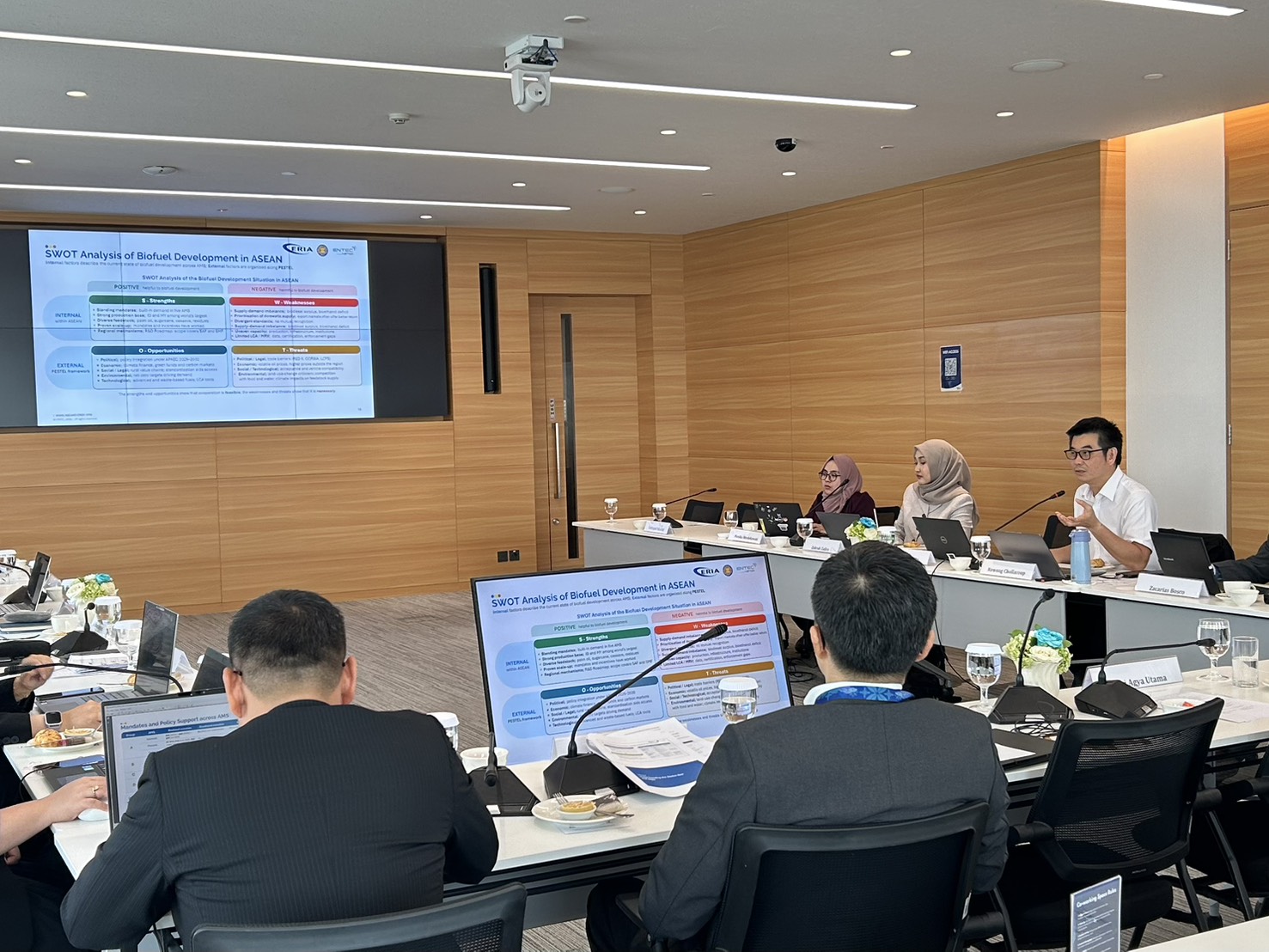
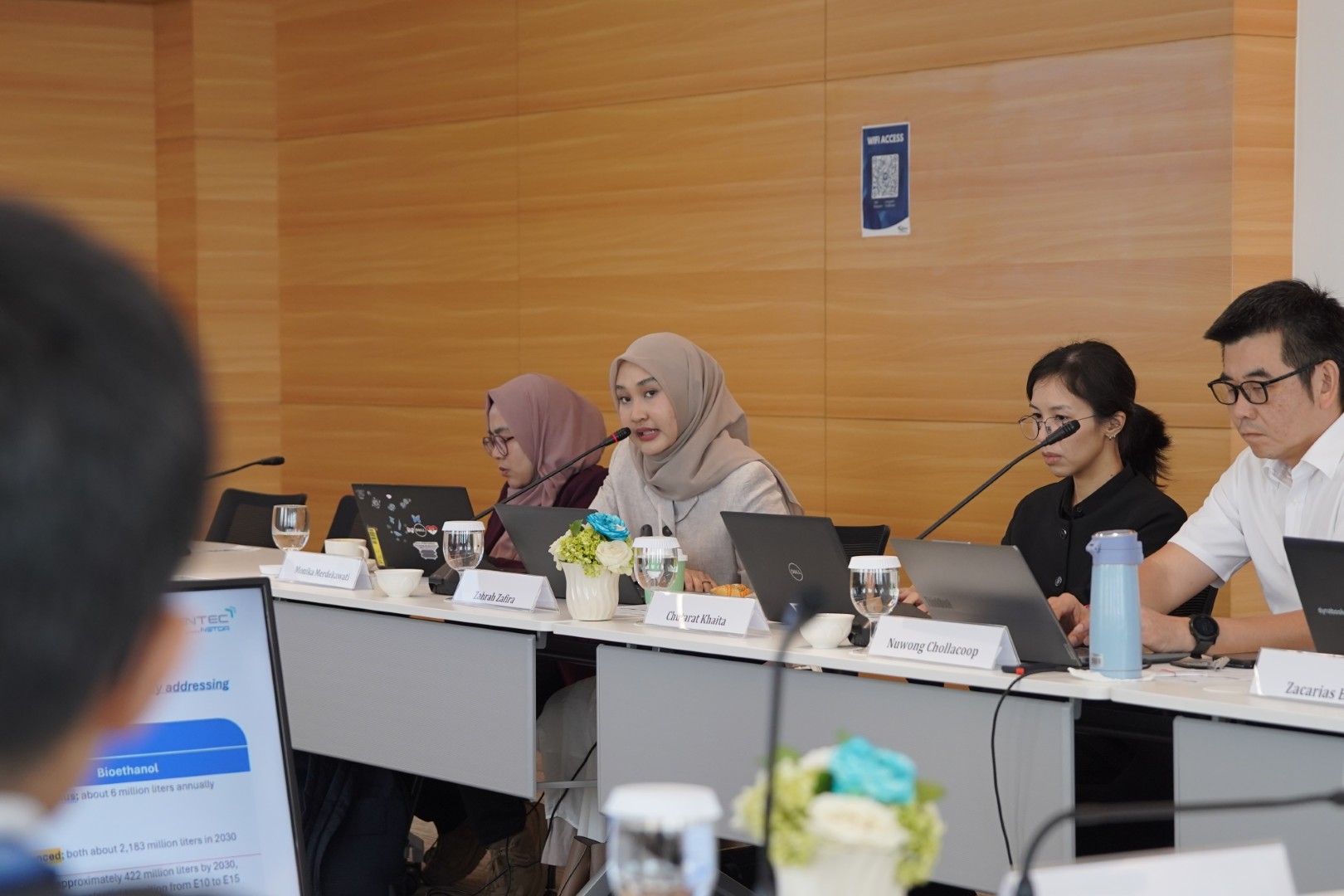
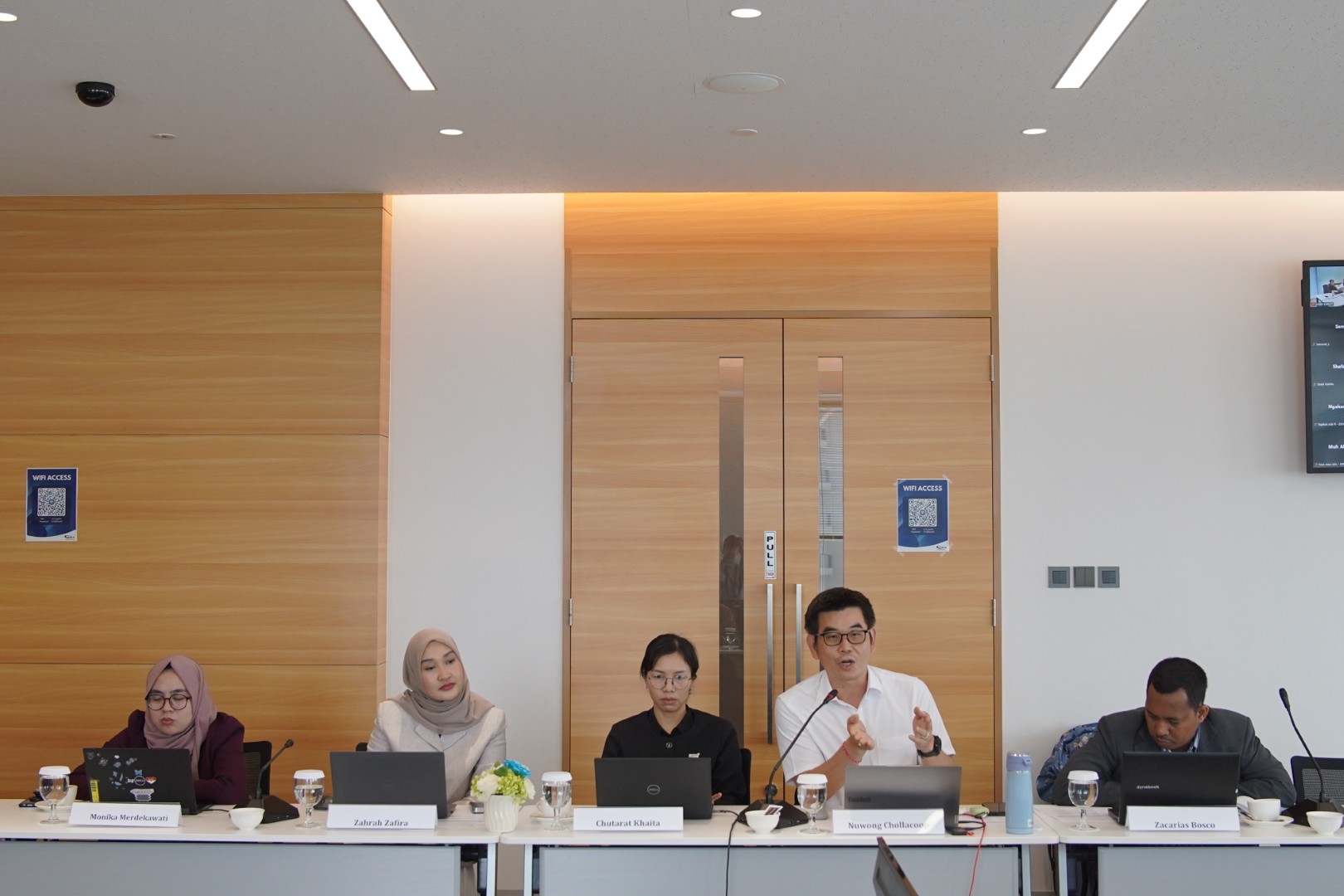
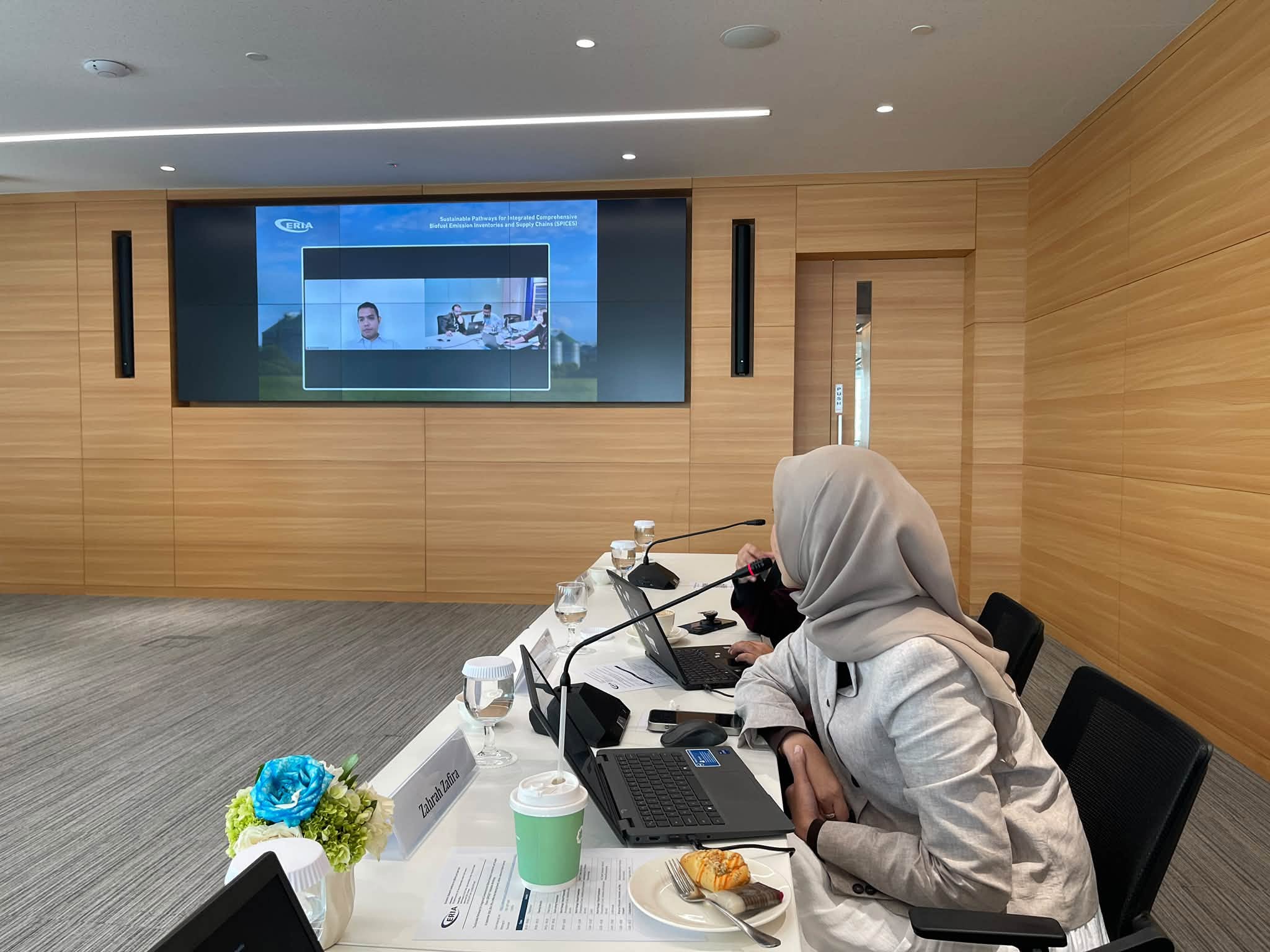
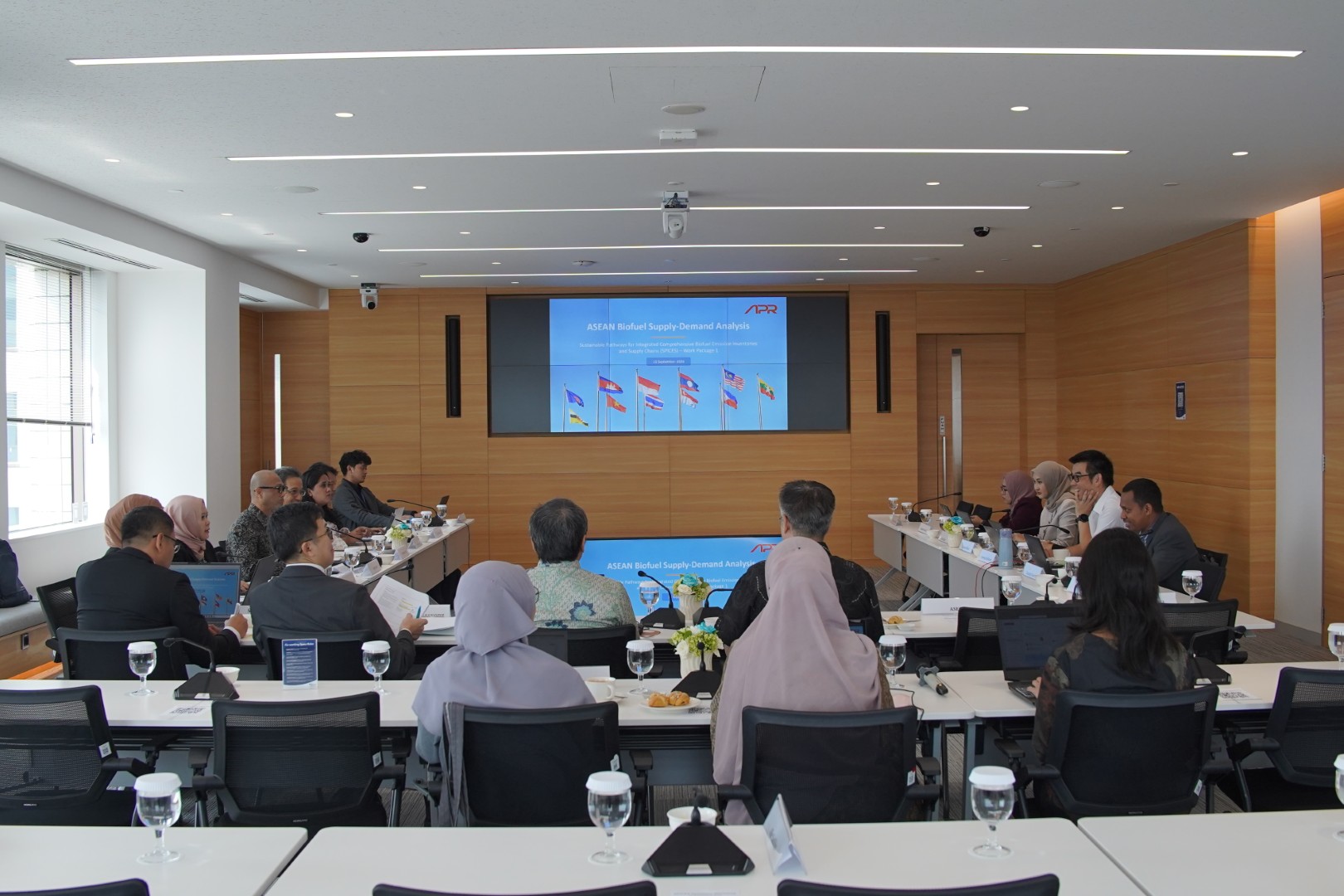
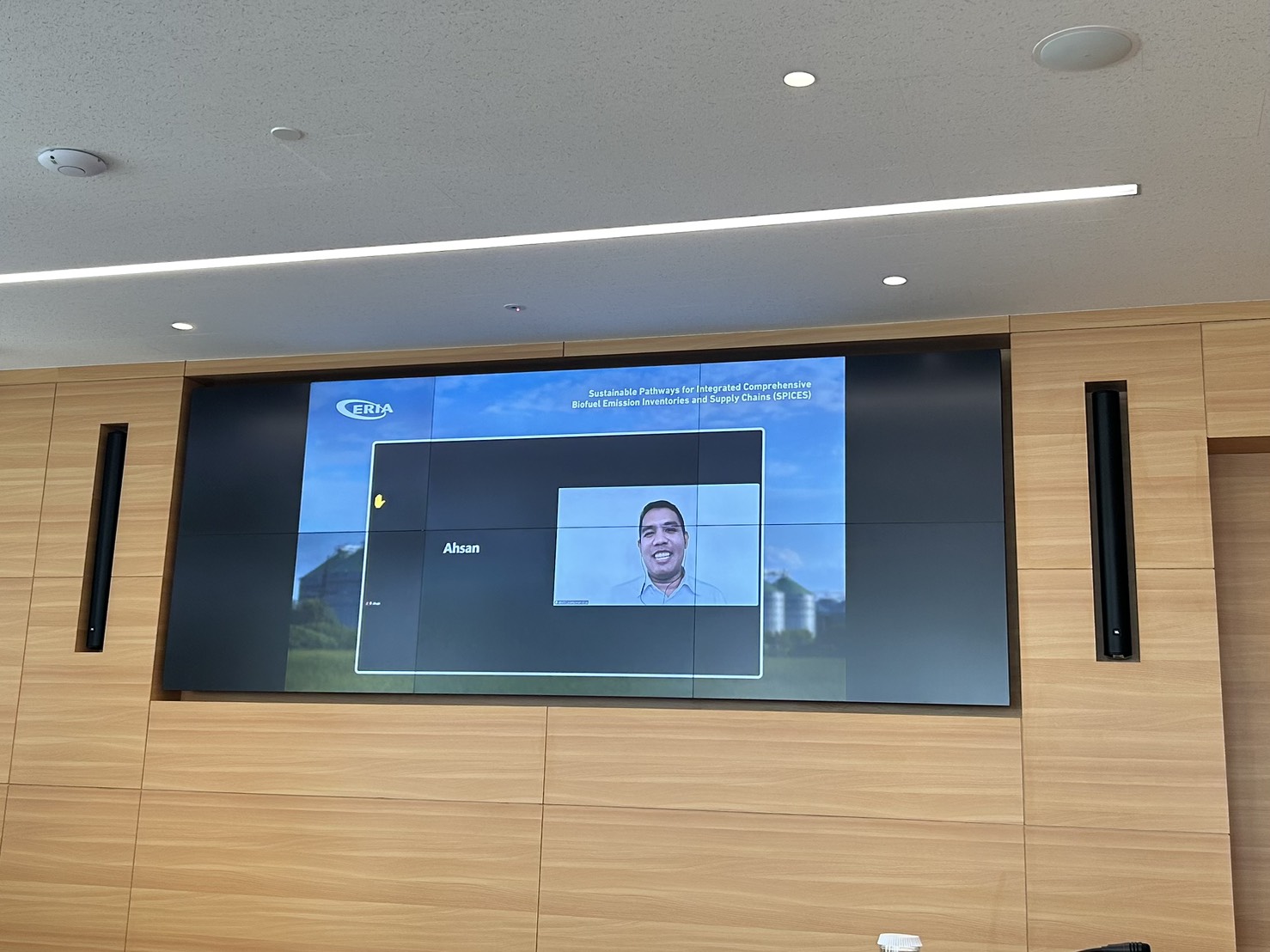
Representing ENTEC, Dr. Nuwong Chollacoop, Acting Deputy Executive Director of ENTEC, and Dr. Chutarat Khaita, Postdoctoral Researcher, attended the workshop on-site. Dr. Kampanart Silva, Researcher from ENTEC’s Renewable Energy and Energy Efficiency Research Team joined online, and together with the research team, presented the findings of WP2 under the title “Regional Biofuel Cooperation Framework in ASEAN.”
The study covers an assessment of the regional biofuel landscape, a supply–demand gap analysis, and a comparative analysis of national policies and fuel standards across ASEAN. The findings indicate that the region has a biodiesel surplus alongside a bioethanol deficit, yet trade between ASEAN Member States remains limited. Based on this findings, the research team proposed an “ASEAN Biofuel Cooperation Framework,” comprising four cooperation pillars, a phased cooperation pathway, and a regional governance structure, aligned with the ASEAN Renewable Energy Long-Term Roadmap and the ASEAN Plan of Action for Energy Cooperation (APAEC) 2026–2030.
The workshop provided an important platform for ASEAN Member States and stakeholders to exchange views on the practicality, relevance and readiness of the proposed framework for implementation. It also strengthened regional collaboration on biofuels, supporting energy security, the reduction of greenhouse gas emissions from the transport sector, and inclusive economic growth across ASEAN.
