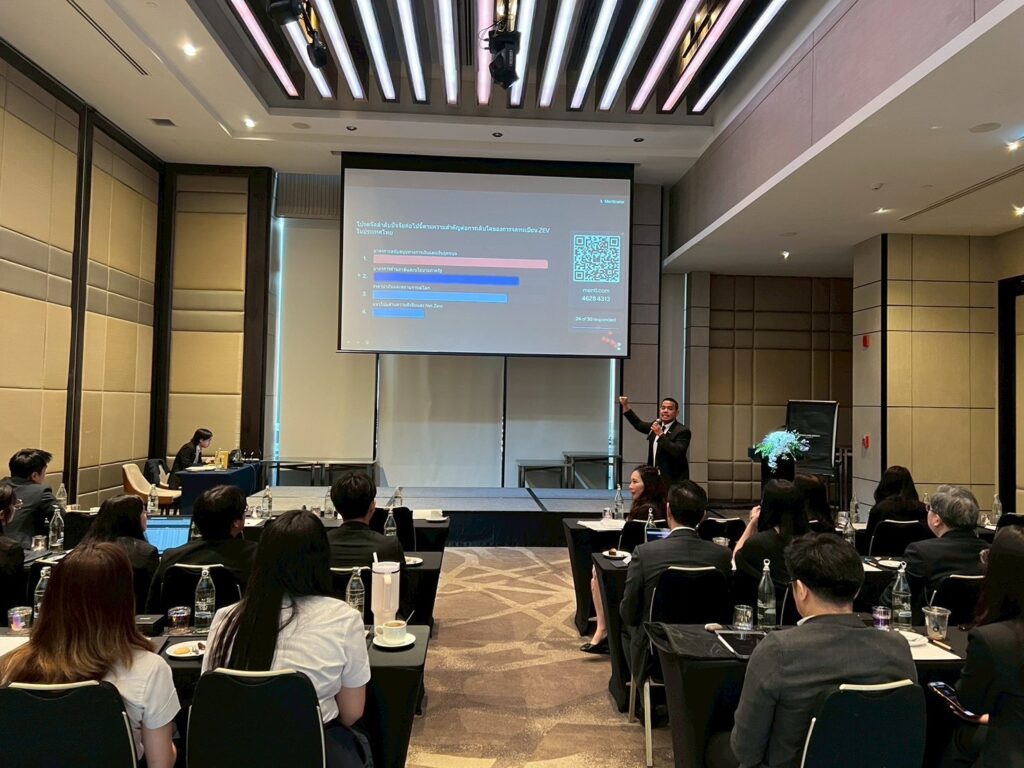
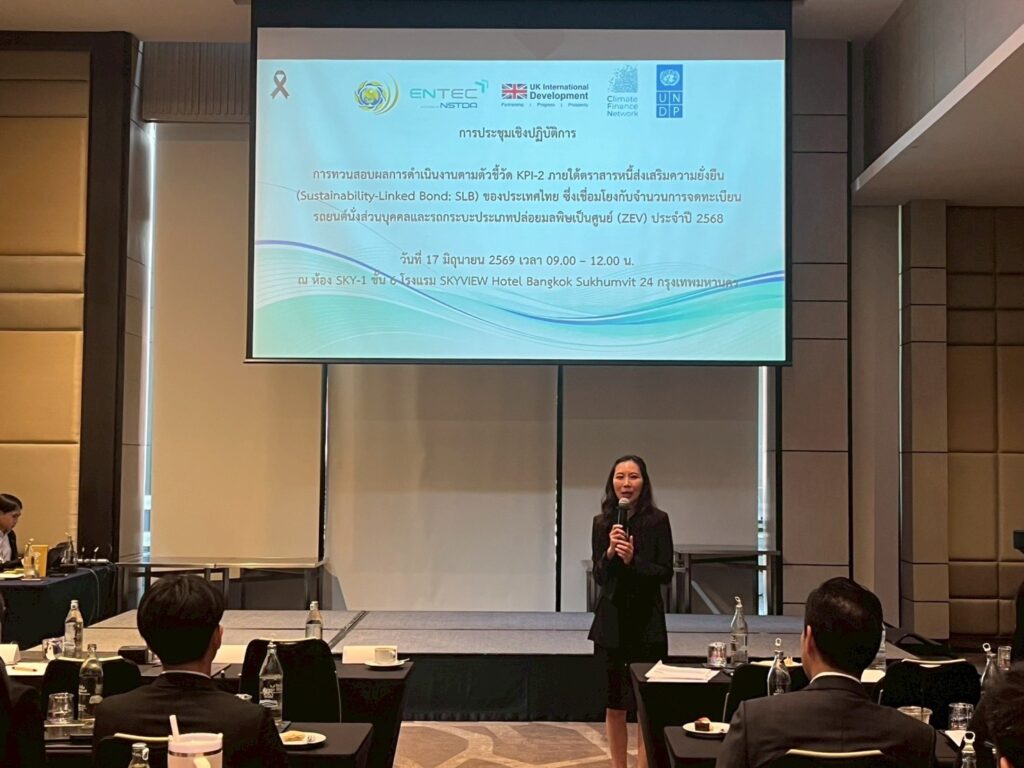
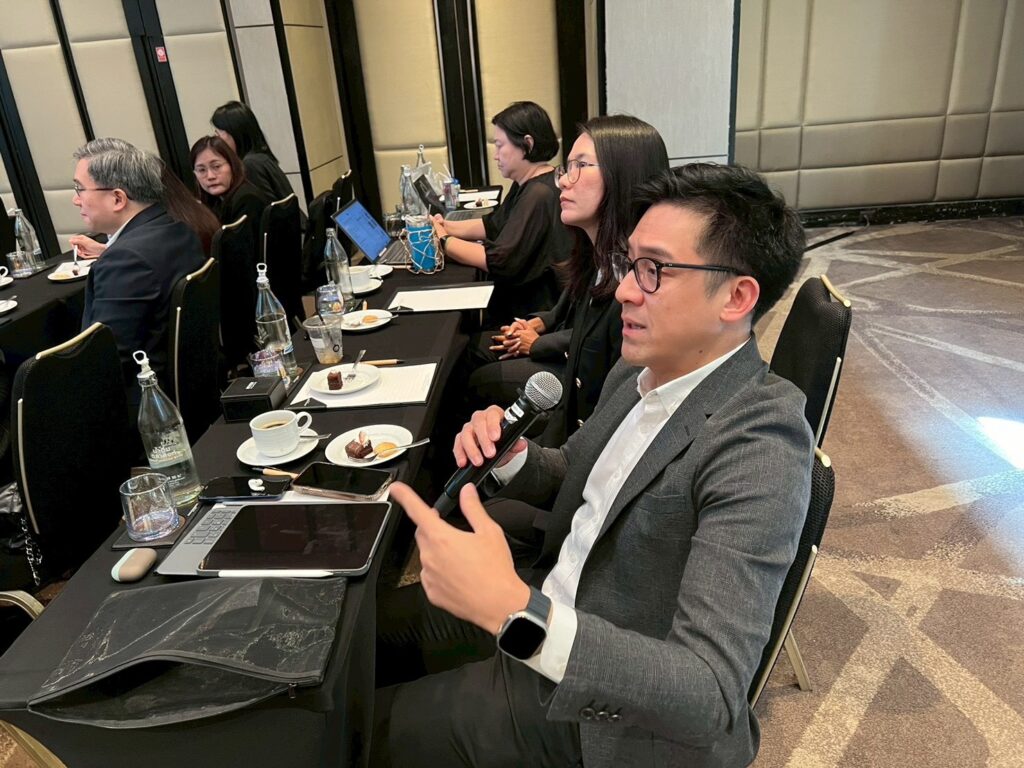
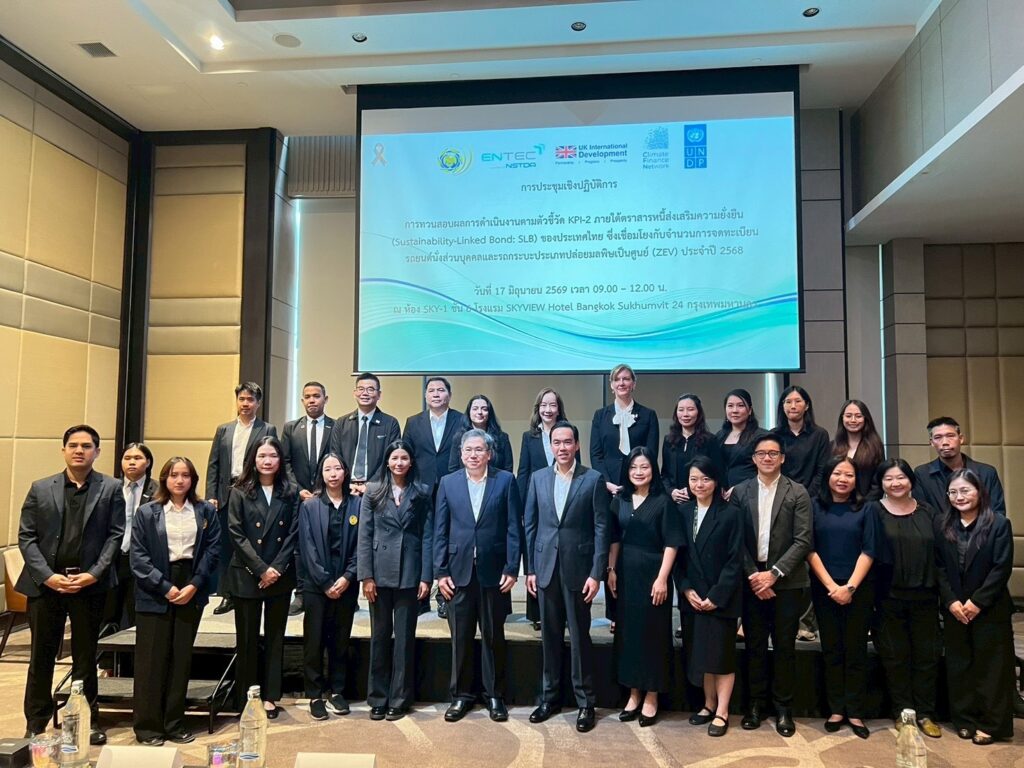
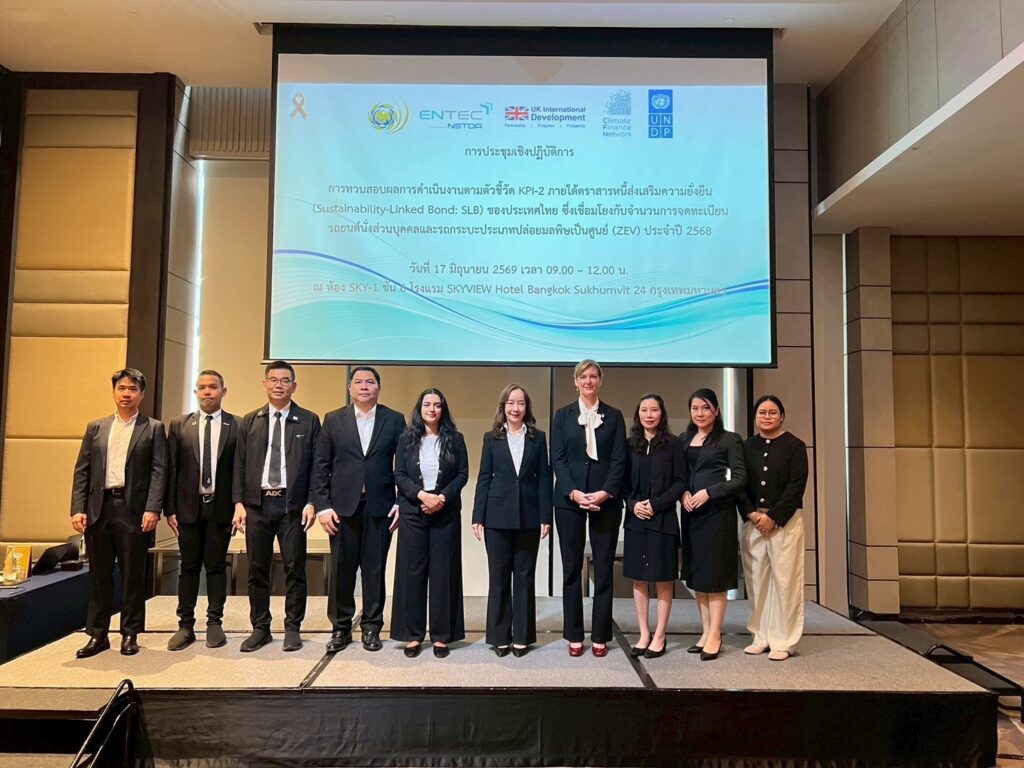
On 17 June 2026, the Renewable Energy and Energy Efficiency Research Team (RENT) of the National Energy Technology Center (ENTEC), National Science and Technology Development Agency (NSTDA), presented the verification results of Key Performance Indicator 2 (KPI-2) under Thailand’s Sustainability-Linked Bond (SLB) Framework at a Validation Workshop organized by the United Nations Development Programme (UNDP). The workshop was held at SKY-1 Room, SKYVIEW Hotel Bangkok Sukhumvit 24, Bangkok.
The workshop formed part of a project commissioned by the Public Debt Management Office (PDMO), Ministry of Finance, under which UNDP was tasked with preparing an independent verification report for Thailand’s Sustainability-Linked Bond Framework. The project is supported by UK International Development to advance sustainable finance initiatives in Thailand.
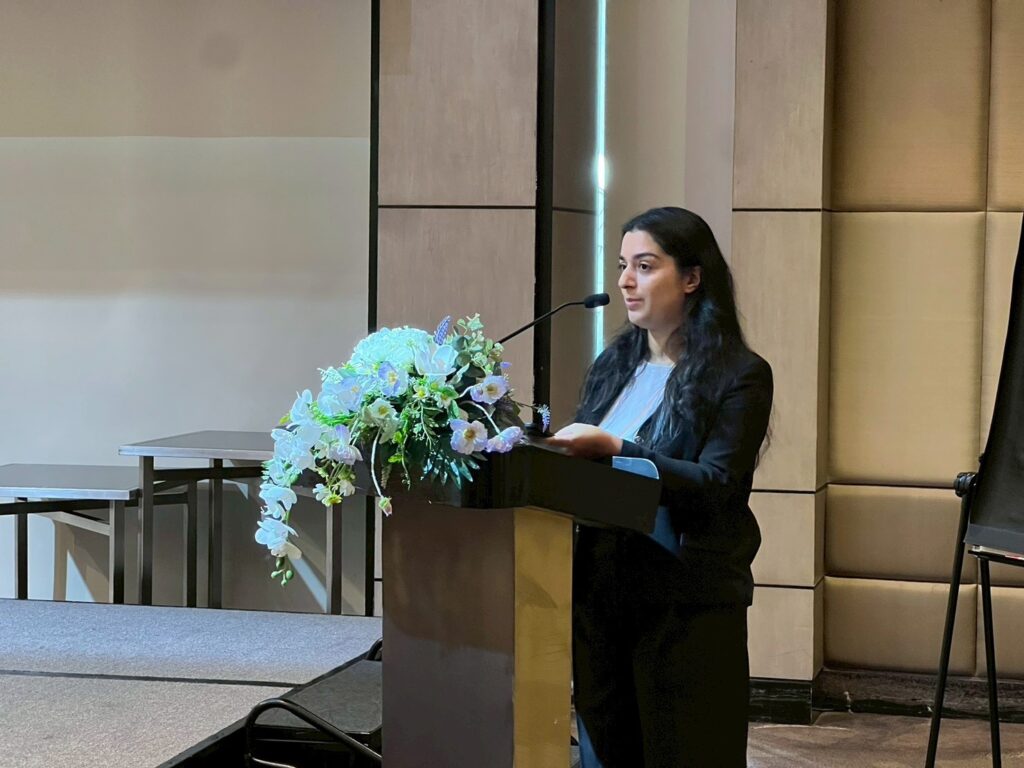
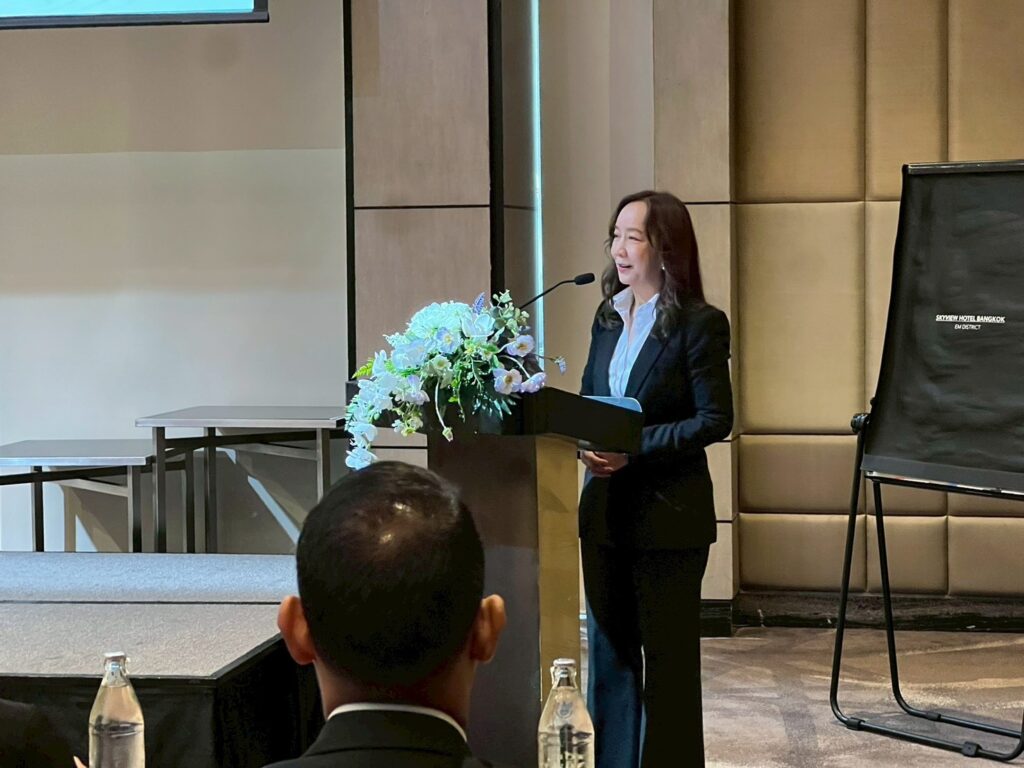
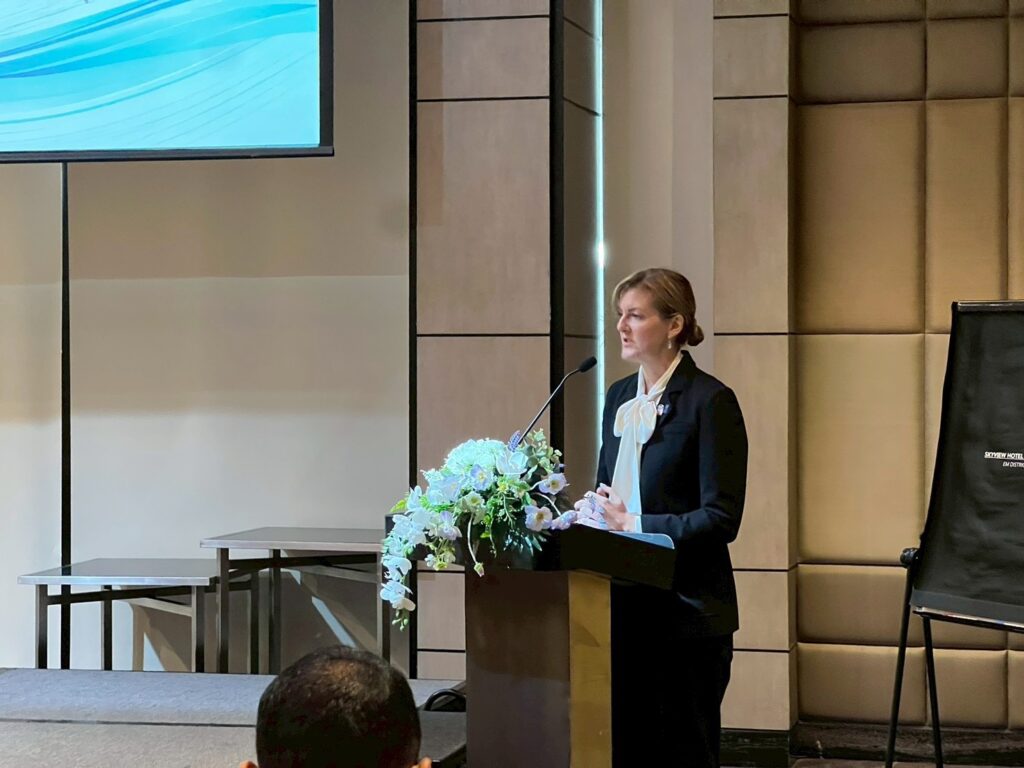
The workshop commenced with welcoming remarks by Ms. Niamh Collier-Smith, UNDP Resident Representative in Thailand, followed by opening remarks from Mrs. Jindarat Viriyataveekul, Director General of the Public Debt Management Office (PDMO). The program also featured remarks by Ms. Nabila Suria, UK Permanent Representative to UNESCAP, who emphasized the United Kingdom’s commitment to advancing sustainable finance and supporting Thailand’s transition to a low-carbon economy.
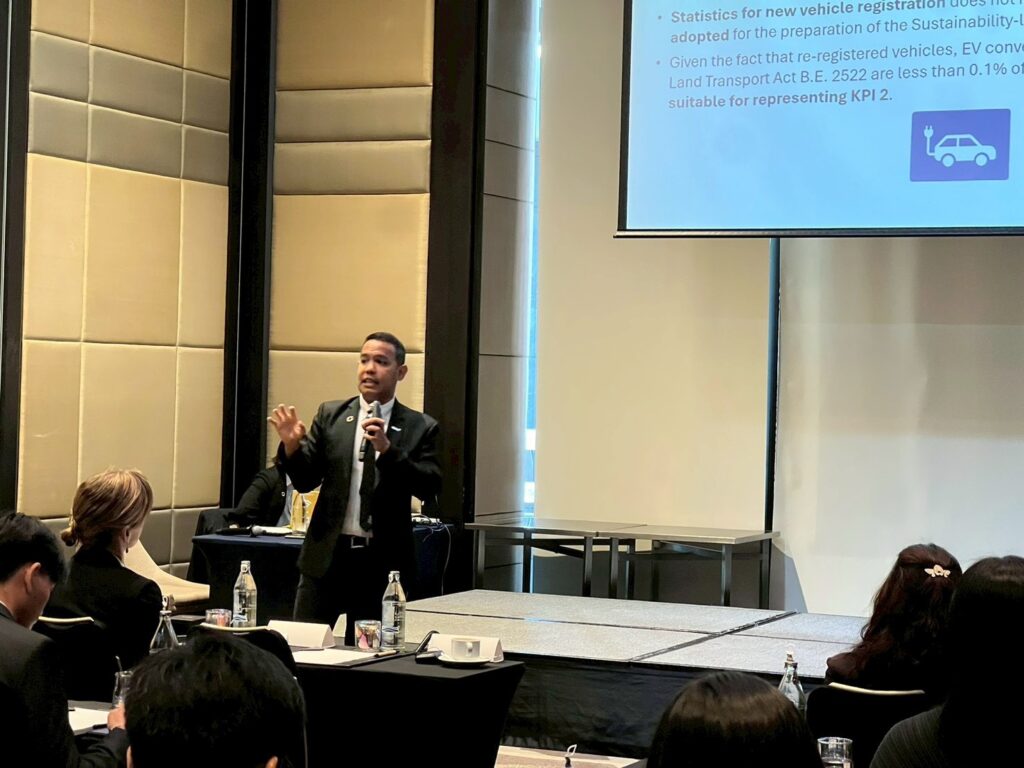
Representing ENTEC, Dr. Nuwong Chollacoop, Acting Deputy Executive Director of the National Energy Technology Center (ENTEC), under the National Science and Technology Development Agency (NSTDA), attended the workshop, while Dr. Kampanart Silva, Researcher in Renewable Energy and Energy Efficiency Research Team, presented the Verification Report and Technical Review Report for KPI-2, which tracks the annual number of newly registered zero-emission passenger cars and pickup trucks (Zero-Emission Vehicles: ZEVs) in 2025.
The presentation also outlined a series of strategic recommendations to support Thailand’s electric vehicle transition and the achievement of national ZEV targets. Key recommendations included improving public access to information on the total cost of EV ownership, expanding financing and insurance mechanisms for ZEV adoption, promoting vehicle scrappage programs, facilitating the deployment of charging infrastructure, strengthening investment in research and development, and advancing integrated transport policies aimed at reducing greenhouse gas emissions.
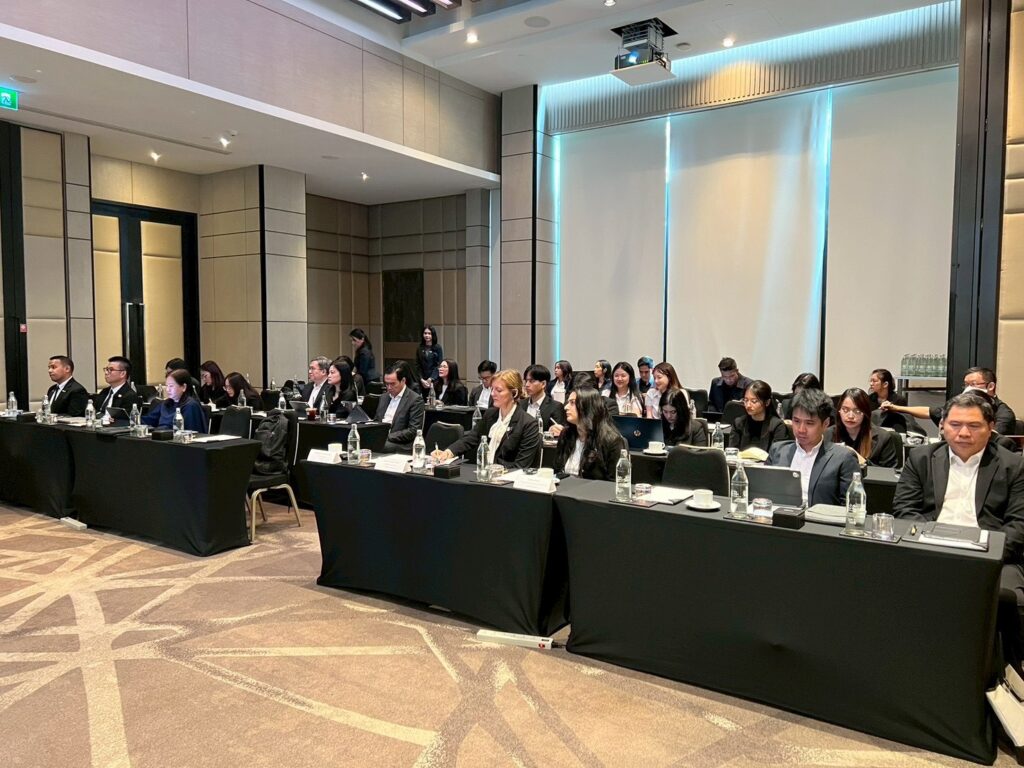
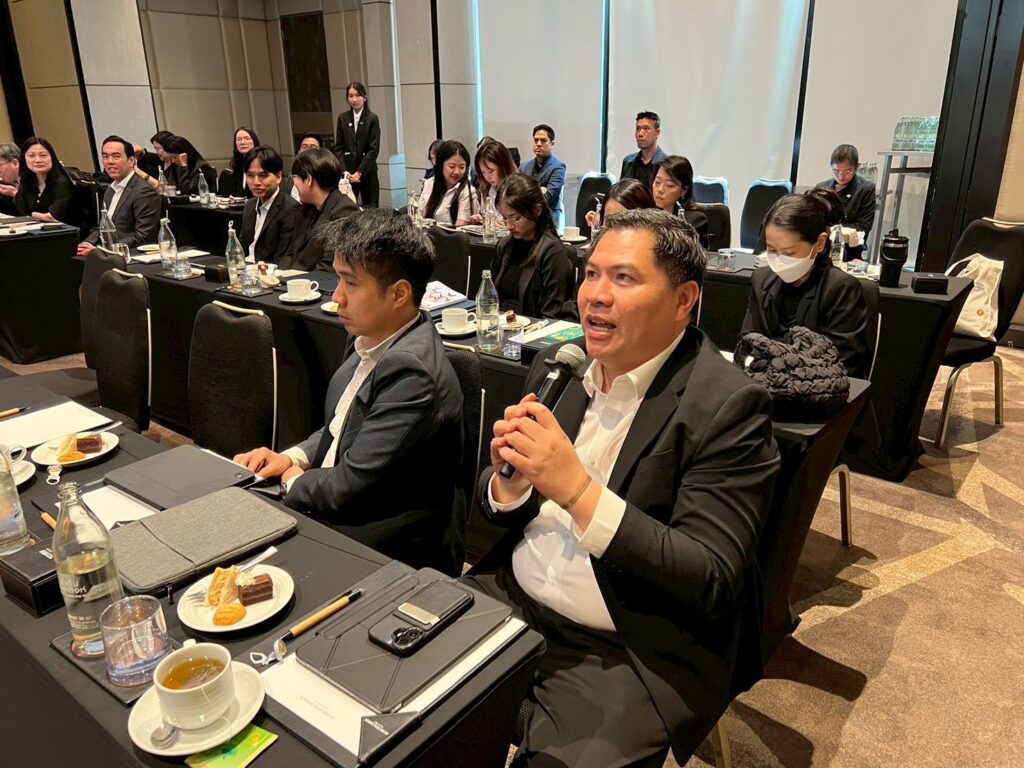
The workshop brought together representatives from government agencies, the private sector, and international organizations to exchange perspectives and provide input on the findings. The feedback received will help strengthen the final report and contribute to the continued advancement of sustainable finance instruments and low-carbon mobility initiatives in Thailand.