
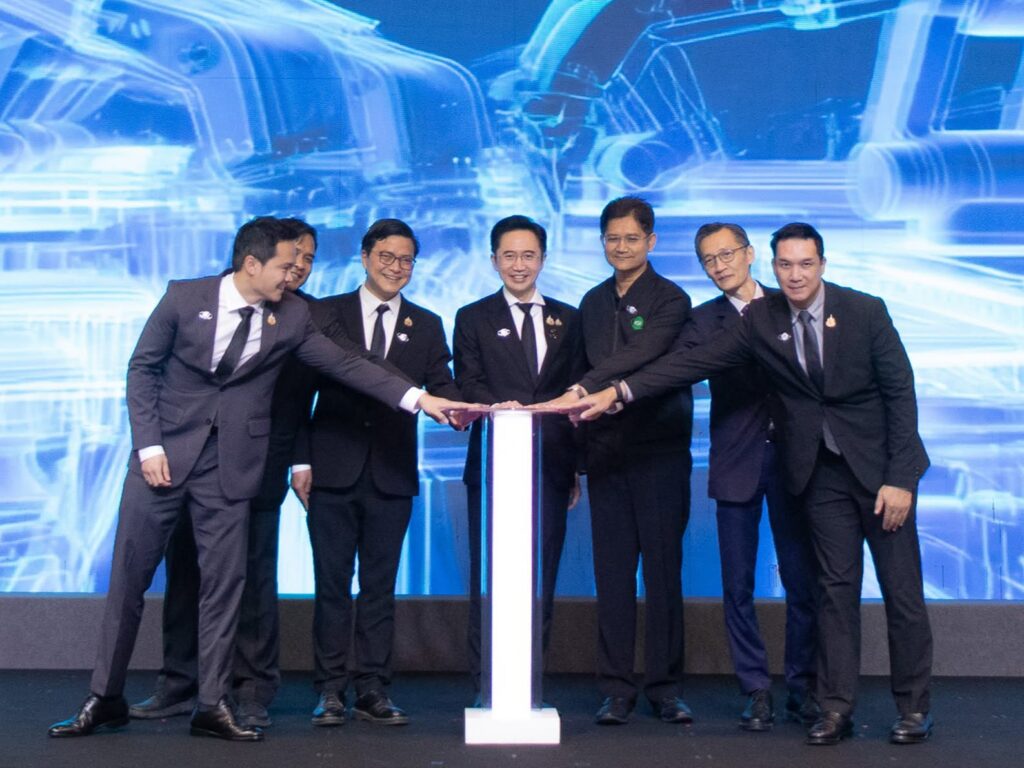
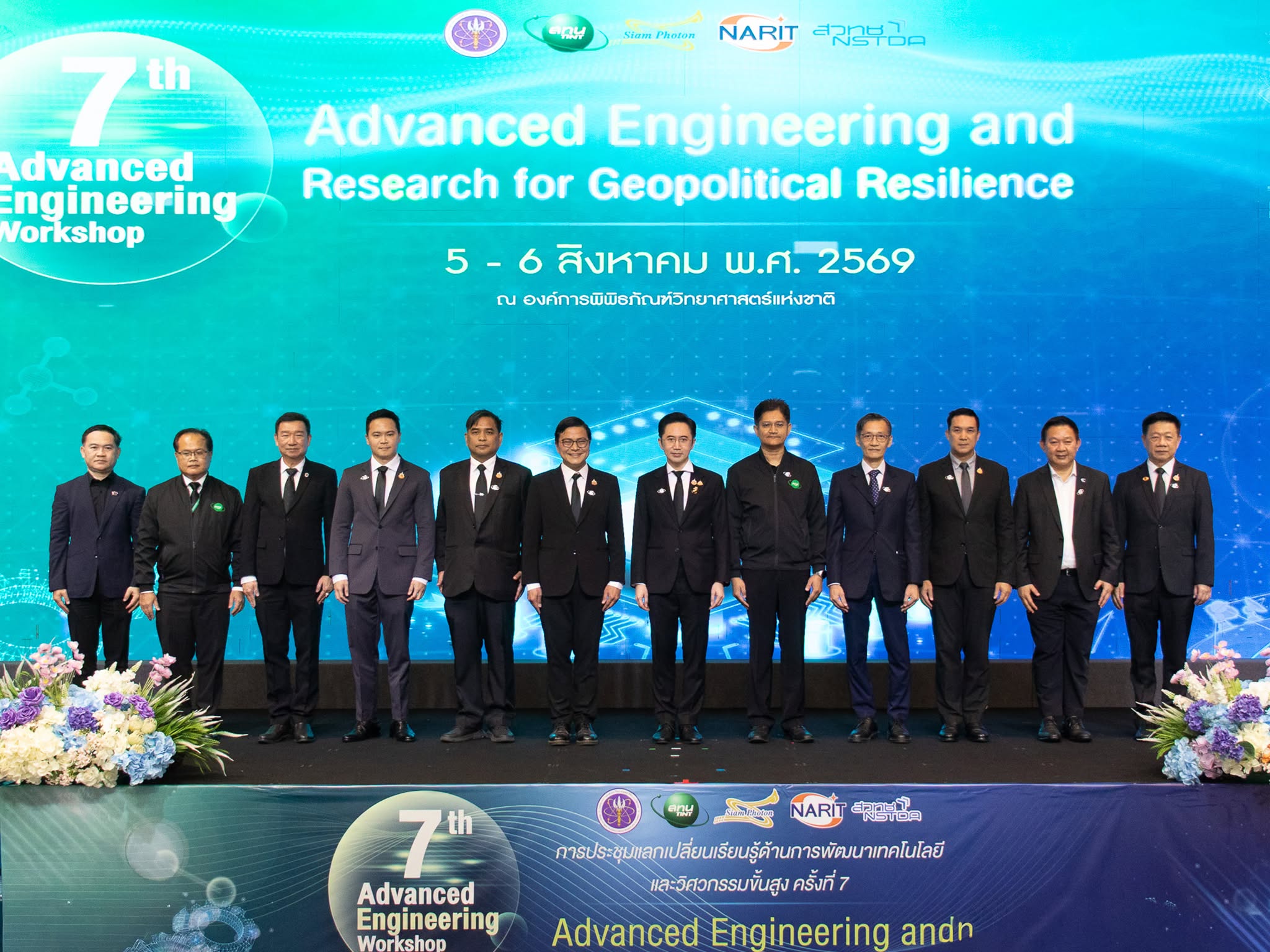
On August 5, 2026, at the IT Auditorium, National Science Museum, Pathum Thani, Thailand
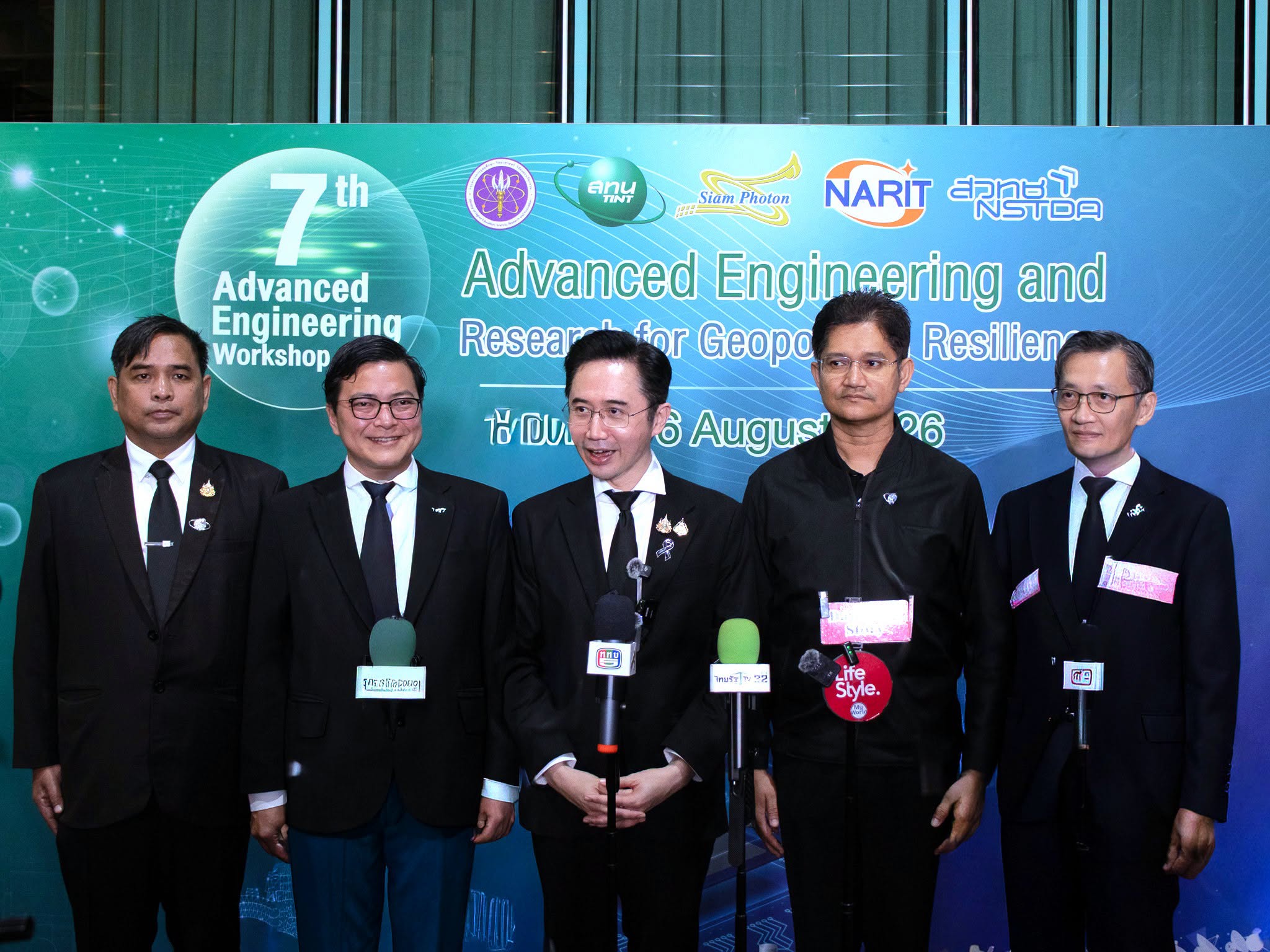
Four research organizations under the Ministry of Higher Education, Science, Research and Innovation (MHESI) — the Thailand Institute of Nuclear Technology (Public Organization) (TINT), as the host, together with the National Astronomical Research Institute of Thailand (Public Organization) (NARIT), the Synchrotron Light Research Institute (Public Organization) (SLRI), and the National Science and Technology Development Agency (NSTDA) — jointly organized the 7th Advanced Engineering Workshop. The workshop provided a platform for researchers, engineers, and technical experts to exchange knowledge and experience in advanced technology and engineering development, with the aim of strengthening Thailand’s capabilities in developing advanced scientific instruments and promoting long-term technological self-reliance.
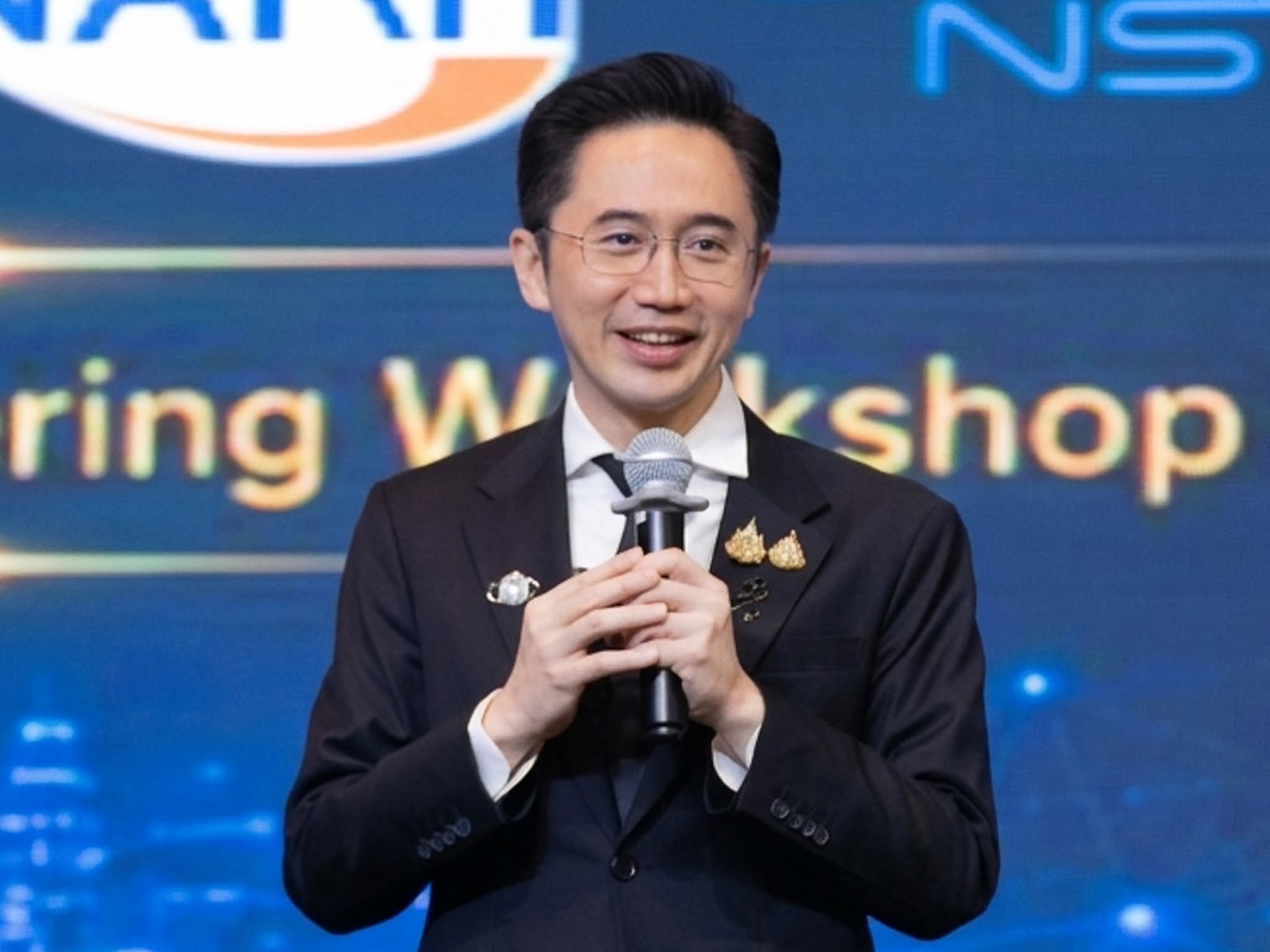
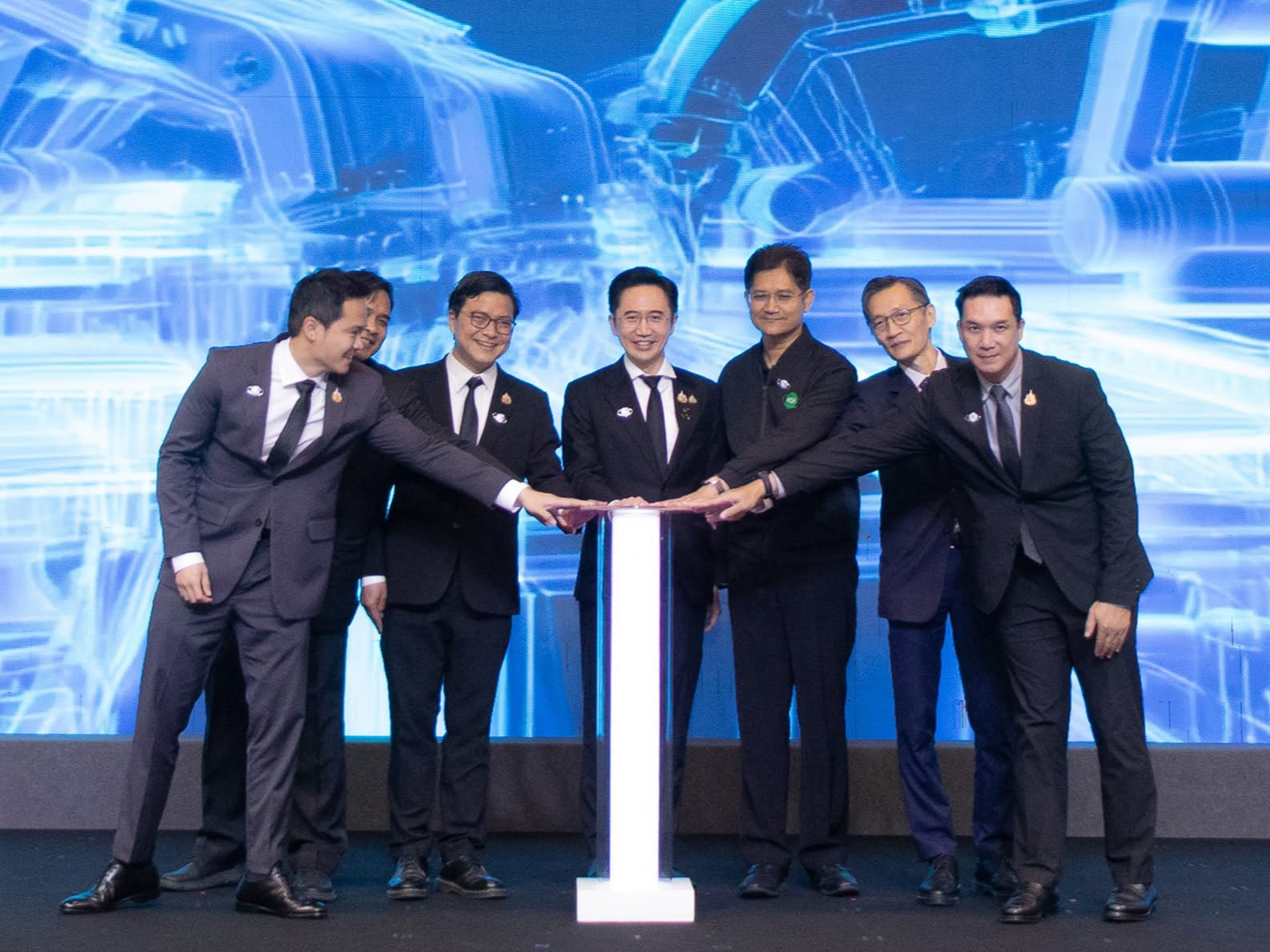
The opening ceremony was presided over by Prof. Dr. Yodchanan Wongsawat, Deputy Prime Minister and Minister of MHESI, and attended by senior MHESI executives and directors of participating research organizations, including Mr. Danuphorn Punnakanta, Vice Minister of MHESI, Mr. Chattarin Chanhom, Secretary to the Minister of MHESI, Assoc. Prof. Dr. Thawatchai Onjun, President of TINT, Dr. Wiphu Rujopakarn, Executive Director of NARIT, Assoc. Prof. Dr. Saroj Rujirawat, Director of SLRI, and Dr. Somboon Sahasithiwat, Executive Director of the National Energy Technology Center (ENTEC), NSTDA.
In his opening remarks, Prof. Dr. Yodchanan Wongsawat emphasized that advanced engineering and deep tech are fundamental to transforming Thailand’s industrial structure and driving the country’s next-generation economy. He highlighted the tangible outcomes of continued collaboration among the four research organizations, including the development of a scanning electron microscope (SEM) by Thai engineers, the development of a tokamak, or “artificial sun,” for clean energy research, the deployment of Thai space equipment for lunar testing, and the development of satellites that have successfully undergone cosmic radiation testing. He reaffirmed MHESI’s commitment to supporting these efforts through funding, follow-on research, and collaboration with the private sector to advance Thai innovations to the international stage and strengthen the country’s national technological resilience.
Advancing Engineering Knowledge and Innovation
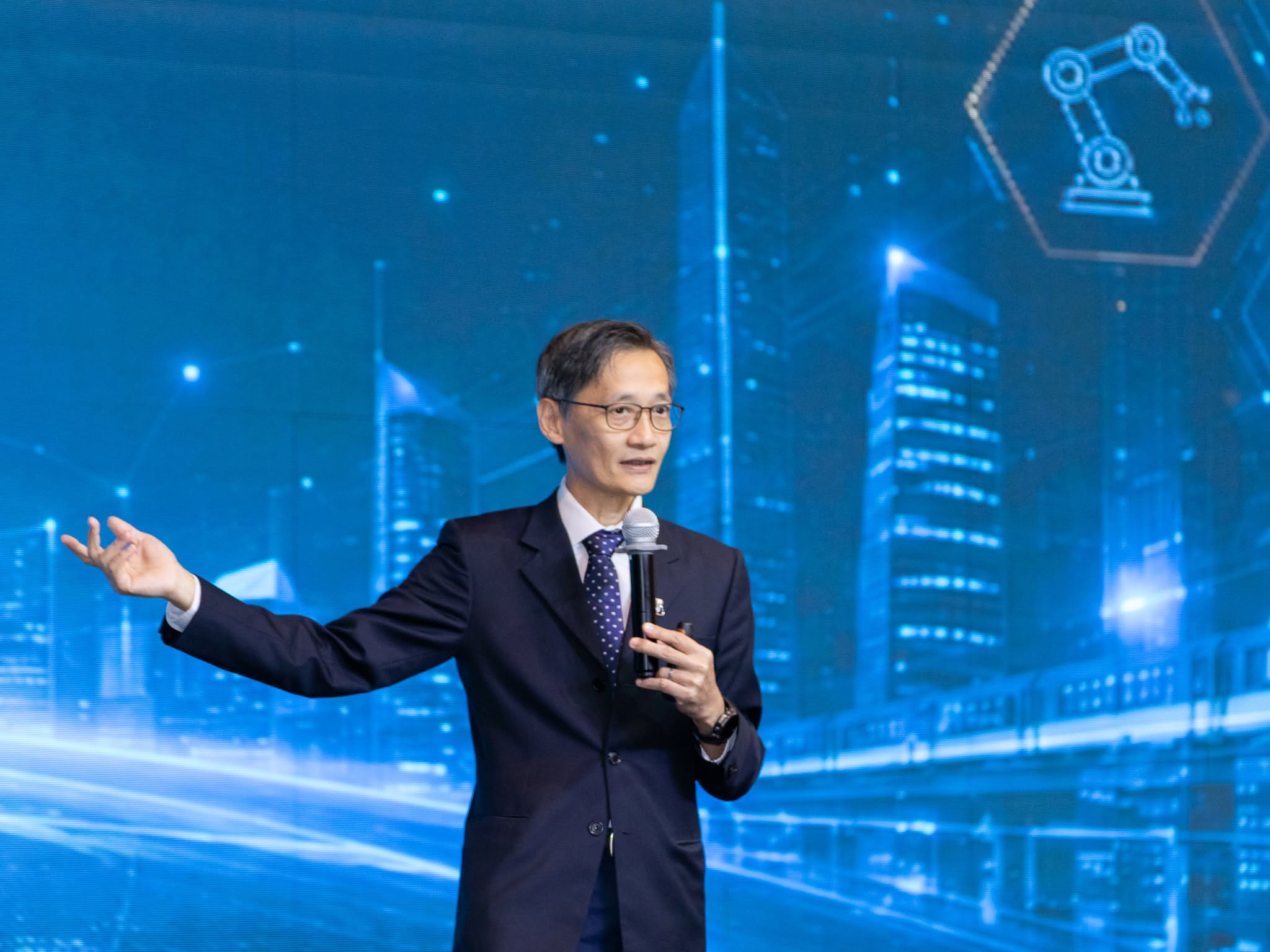
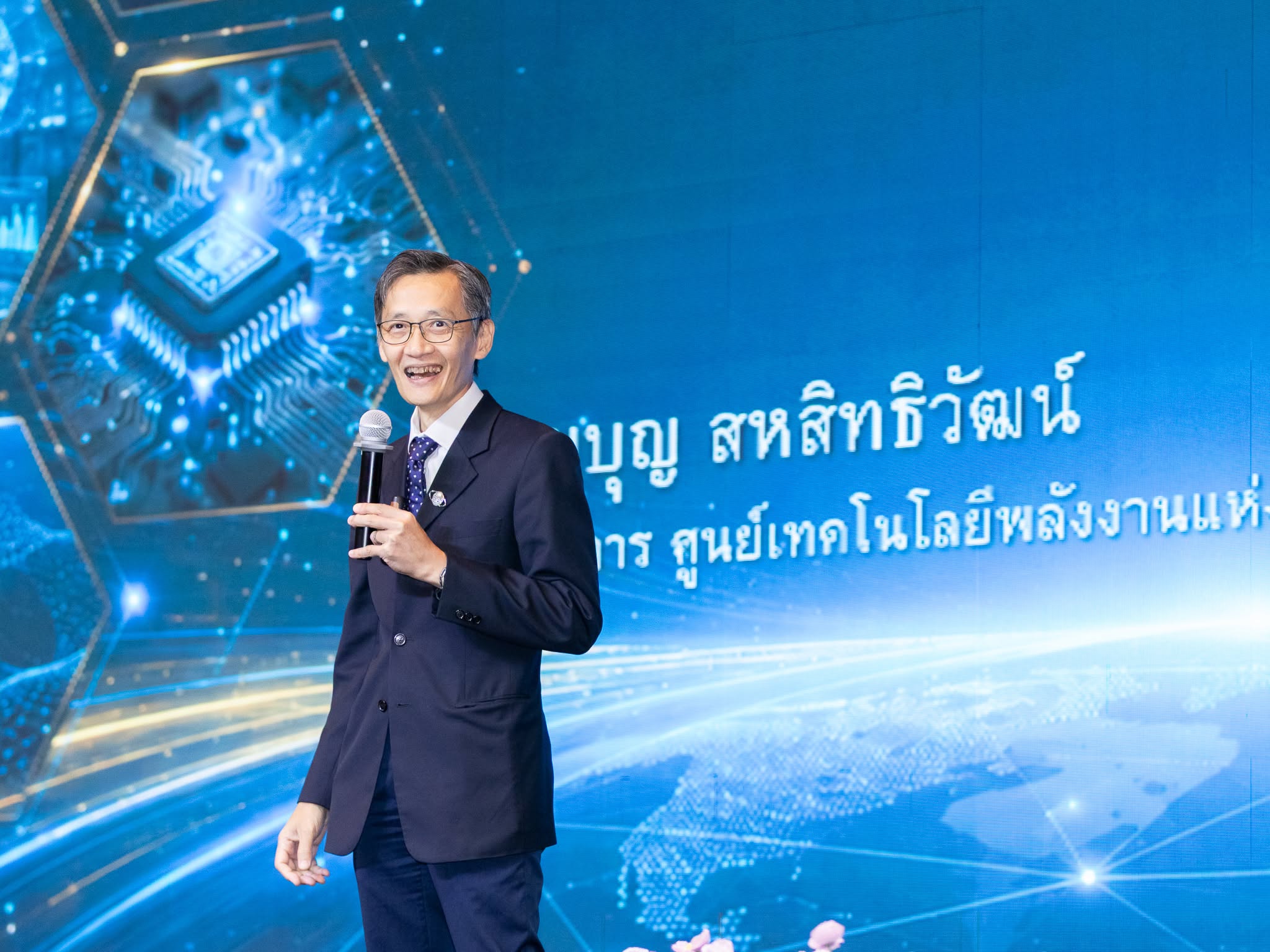
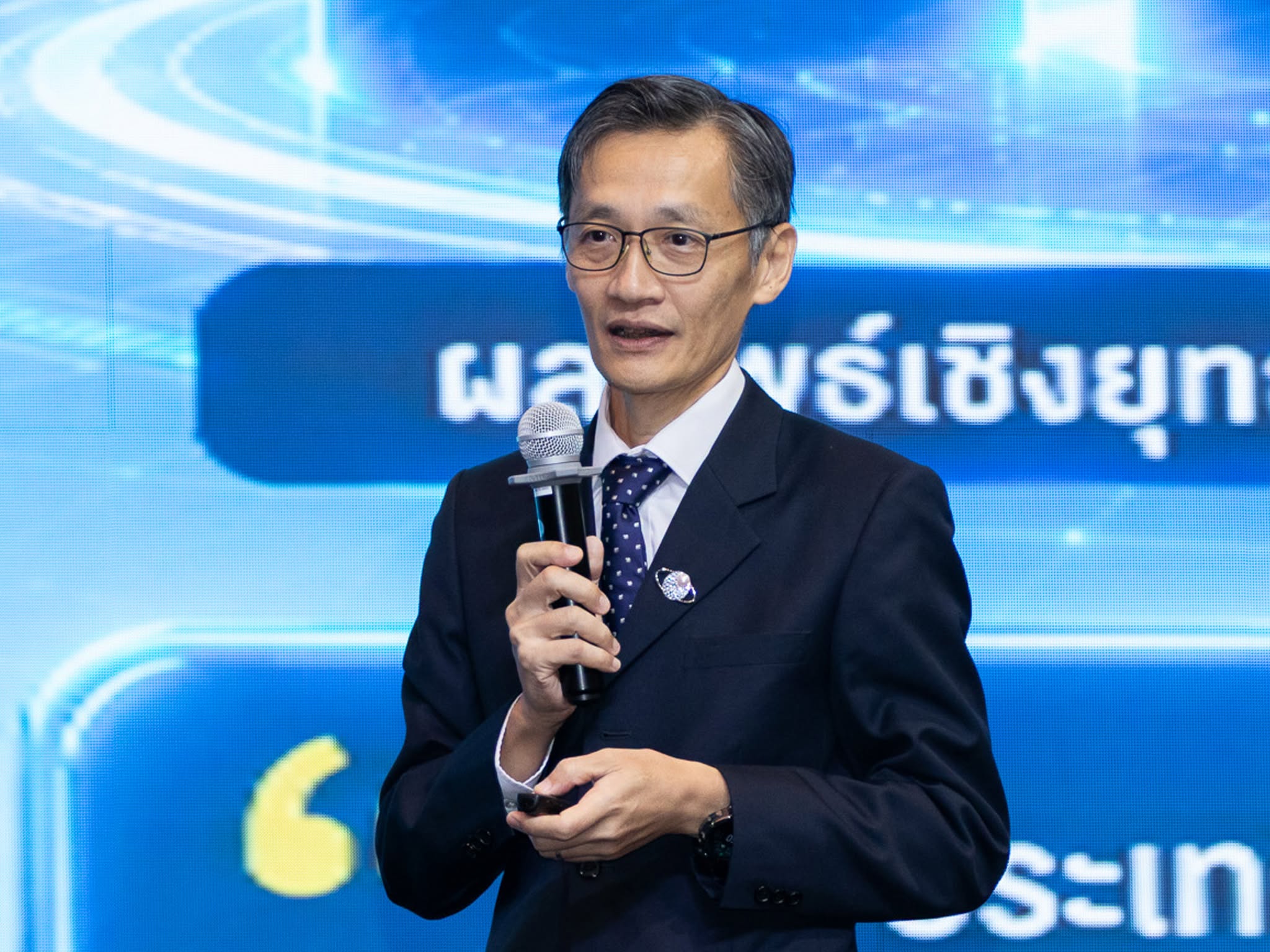
The workshop featured special lectures by experts, including Dr. Somboon Sahasithiwat, Executive Director of ENTEC, NSTDA, who delivered a presentation on “Engineering and Engineers’ Adaptation Amid Digital Transformation,” highlighting the changing role of engineers and the need to develop capabilities in response to rapid technological change.
Dr. Rungroj Jintamethasawat, Researcher at the National Electronics and Computer Technology Center (NECTEC), NSTDA, presented “Development of Image Processing and User Interface for Image Reading Software,” highlighting advances in digital image processing and user interface development.
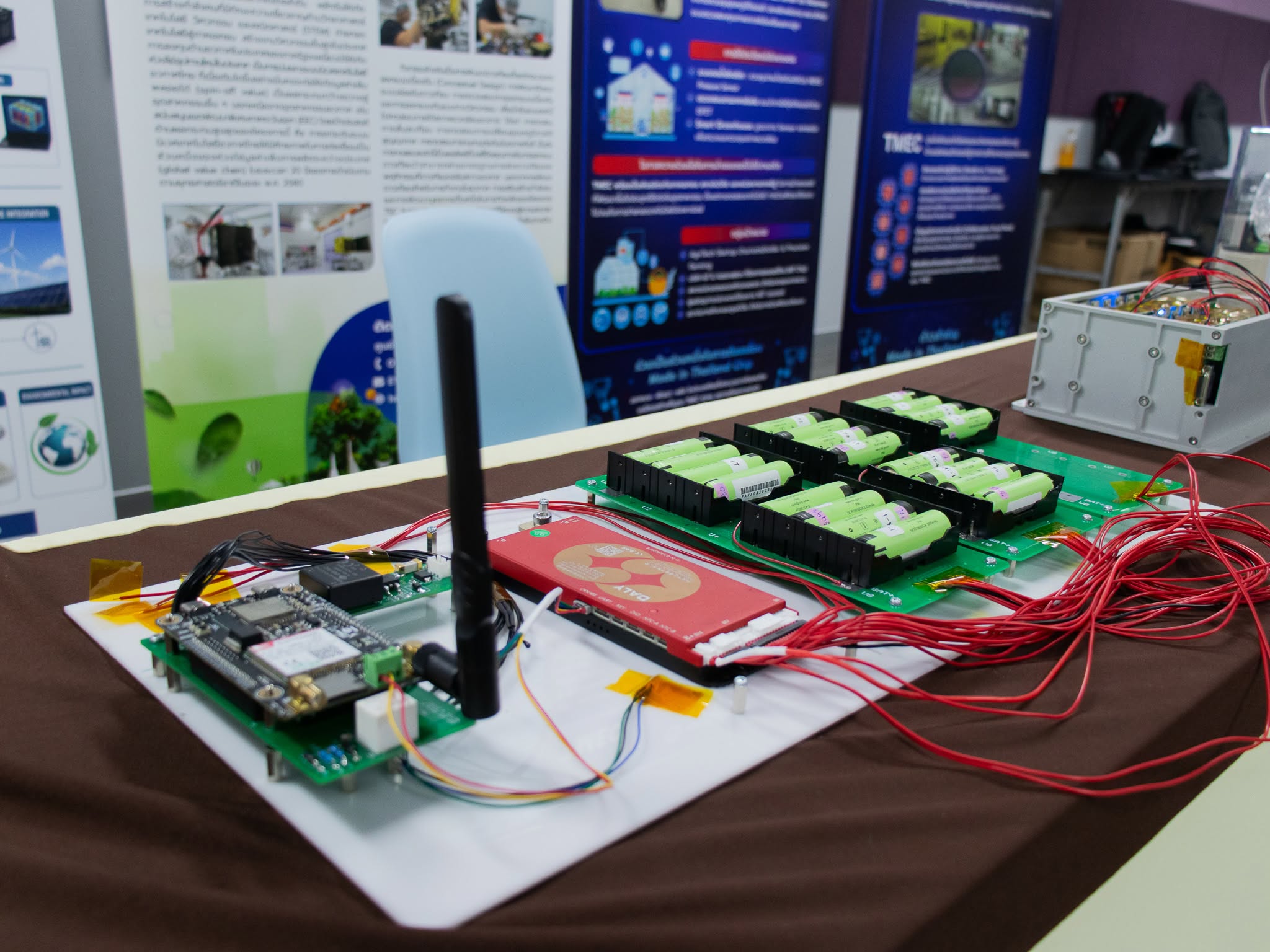
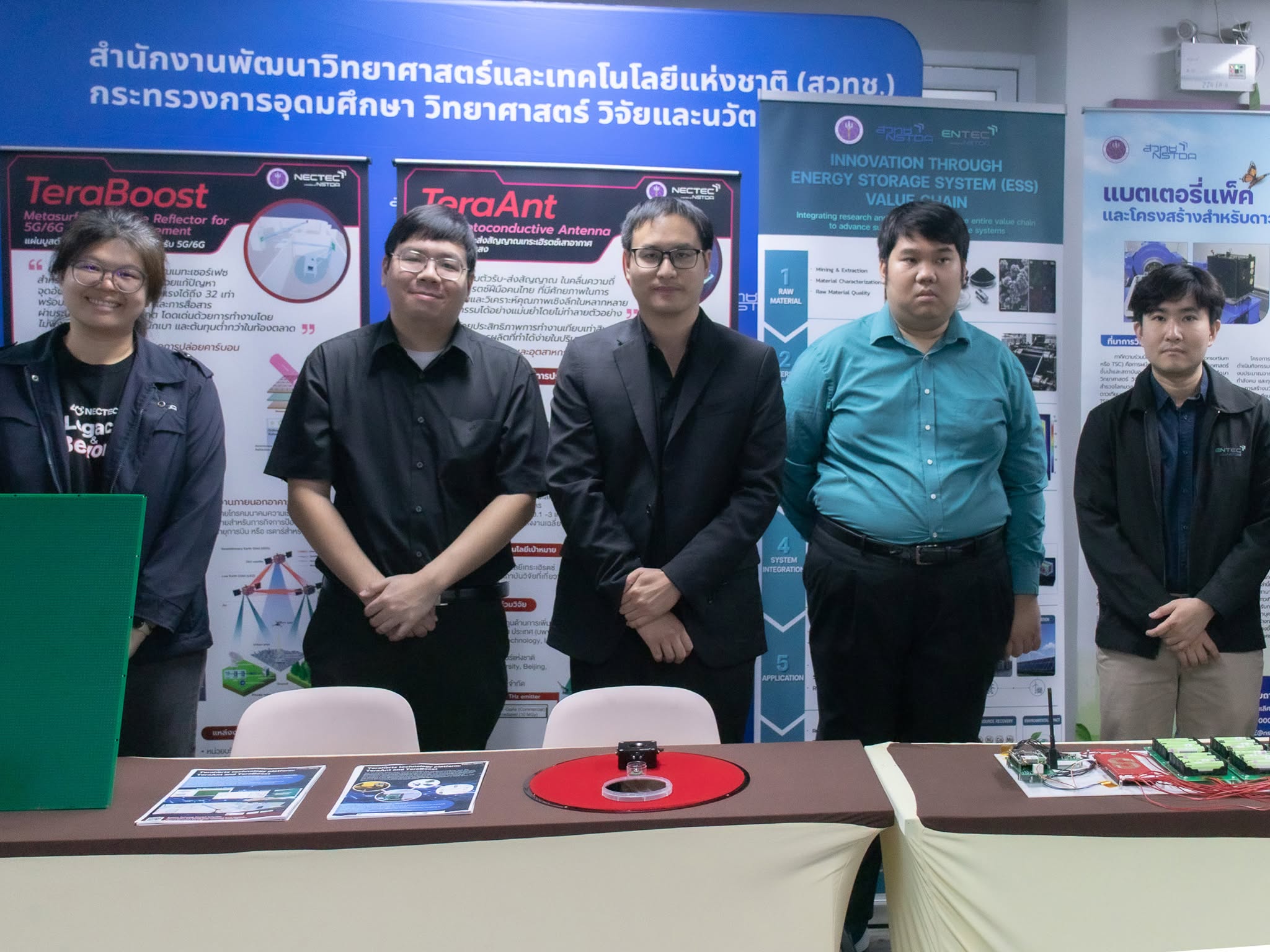
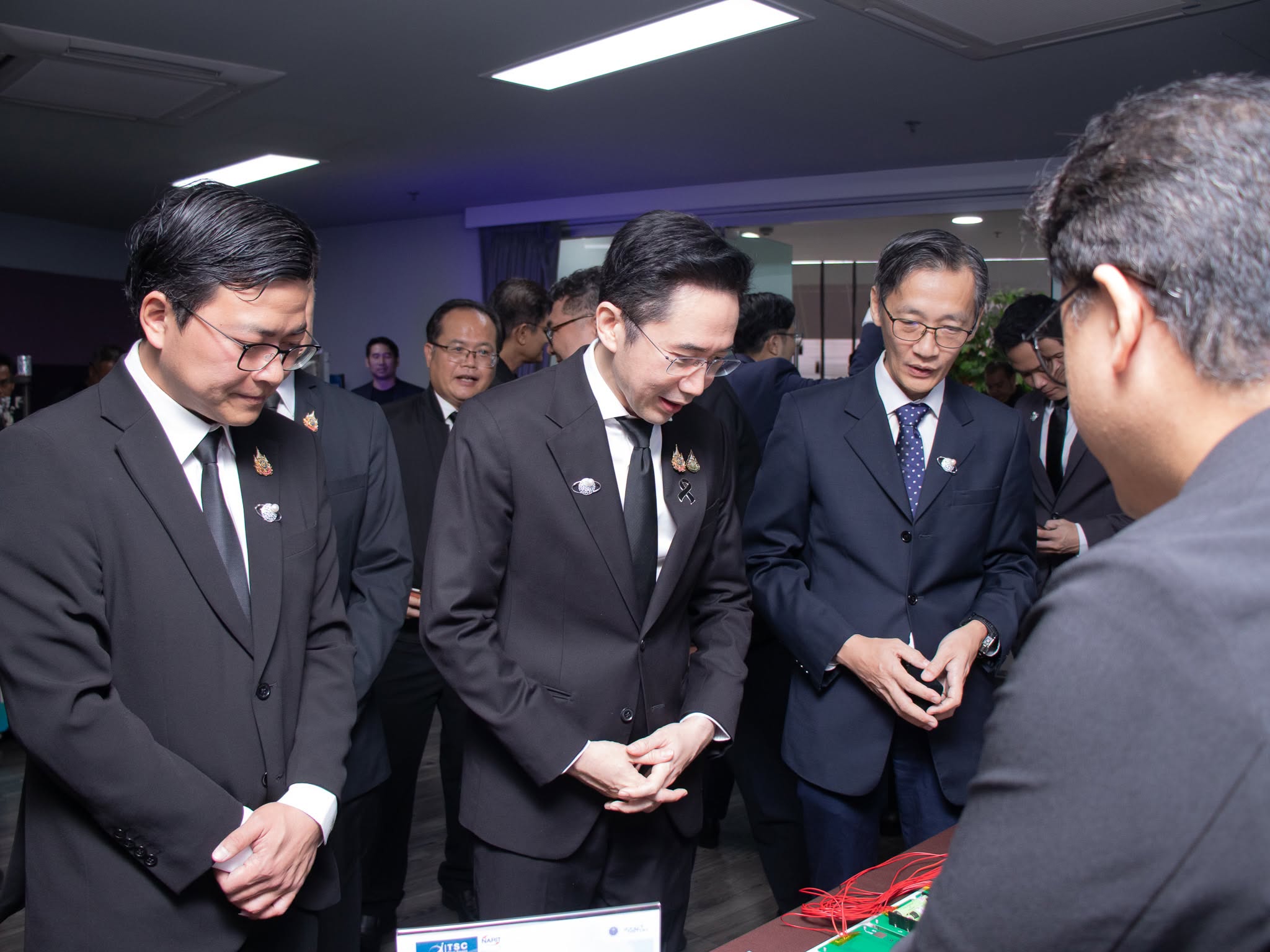
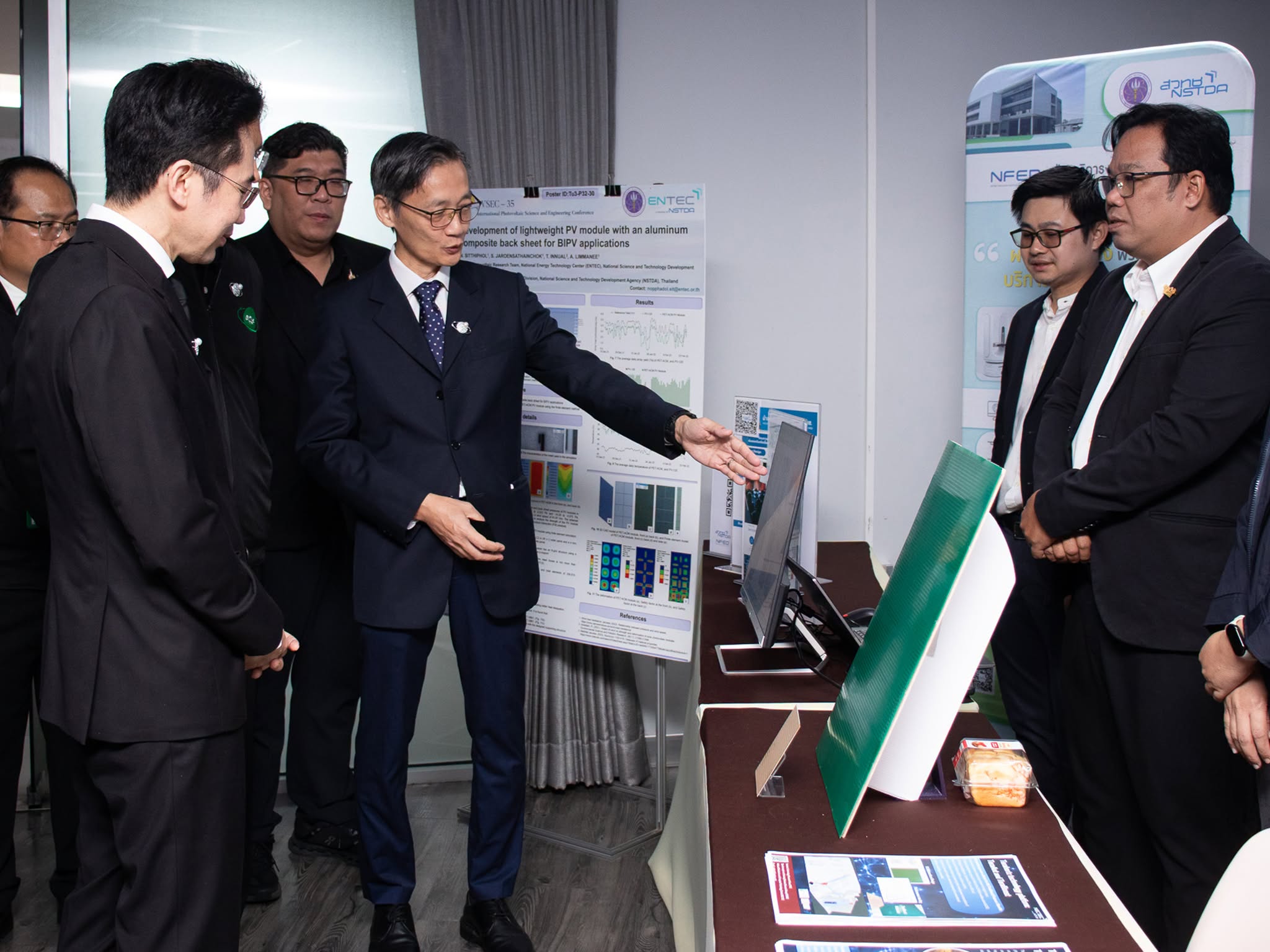

The event also featured an exhibition of innovative technologies and engineering solutions developed by NSTDA research centers. Highlights included:
- National Factory Engineering and Design Center (NFED): Integrated engineering services supporting the transformation of ideas into market-ready products.
- NECTEC: TeraBoost, a metasurface signal-boosting sheet for 5G/6G systems, and TeraAnt, a terahertz transceiver.
- ENTEC: Battery pack and structural technologies for satellite applications.
- TMEC: Smart agriculture solutions using innovative sensor technologies and high-skilled workforce development to support Thailand’s semiconductor strategy.
Strengthening Thailand’s Advanced Engineering Ecosystem
The 7th Advanced Engineering Workshop marked an important step in moving beyond fundamental research toward industrial value creation and strategic technology development. The discussions covered a broad range of critical technologies, including nuclear technology and fusion energy, astronomical and space engineering, advanced particle accelerator and vacuum technologies, and innovations supporting industrial resilience.
Through continued collaboration among Thailand’s leading research organizations, the workshop contributes to strengthening the country’s advanced engineering capabilities, promoting technology self-reliance, and laying the foundation for the next generation of science, technology, and innovation in Thailand.
