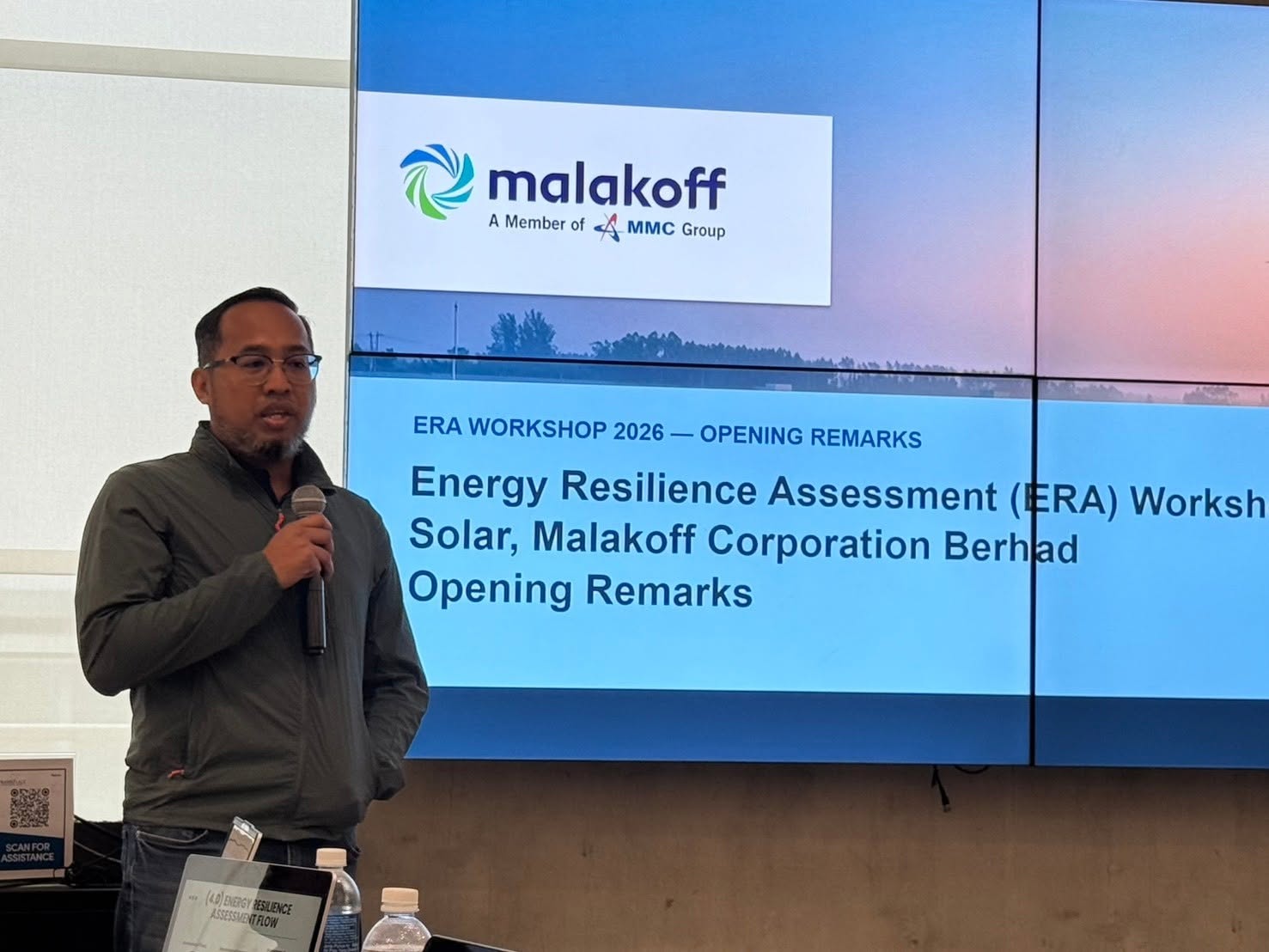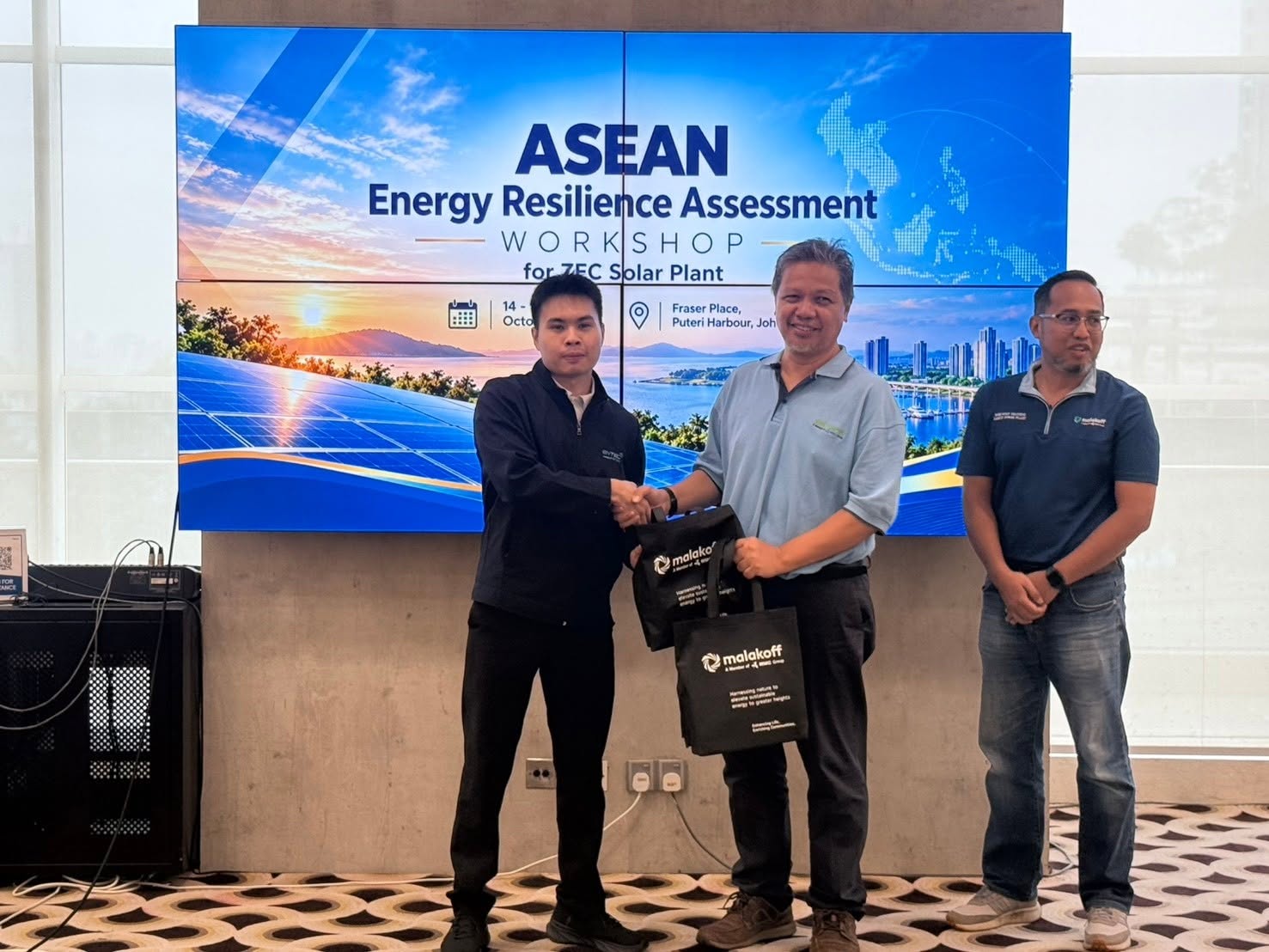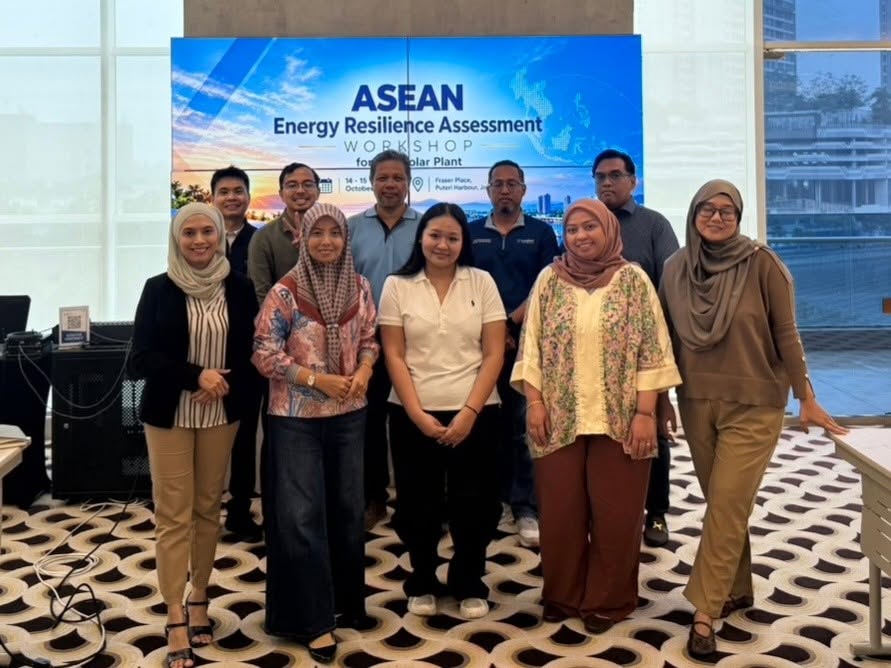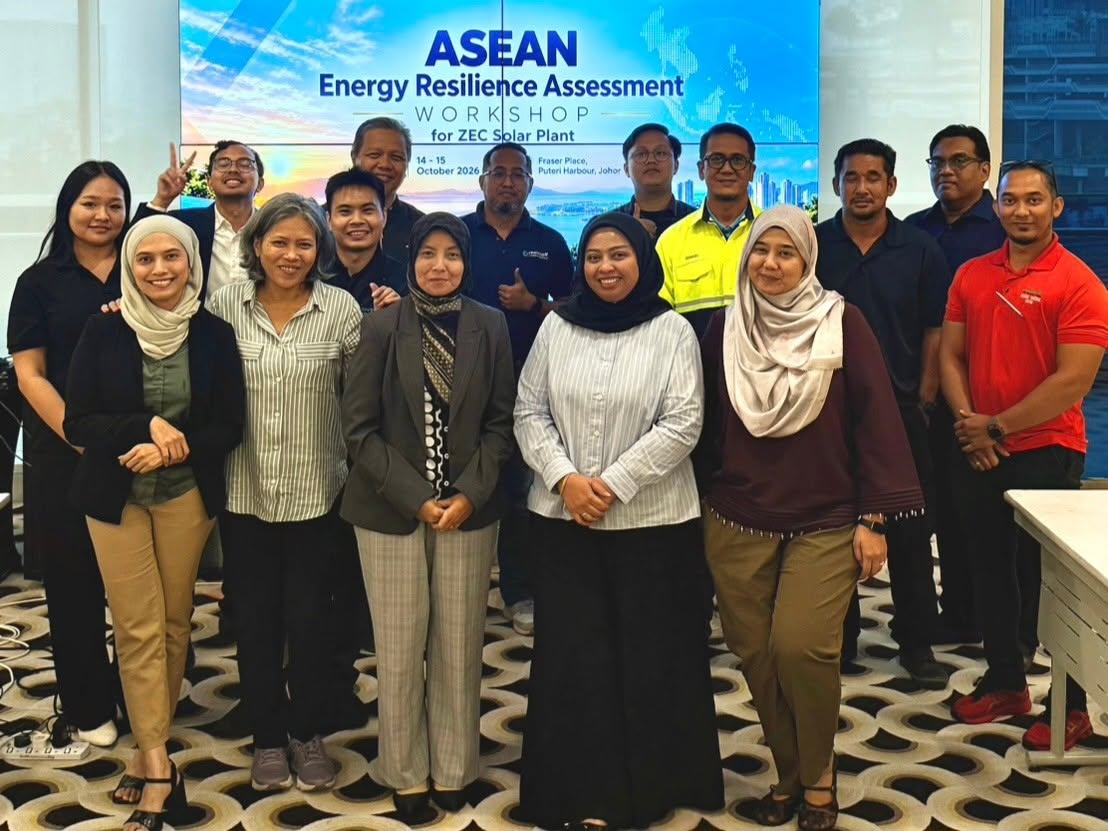
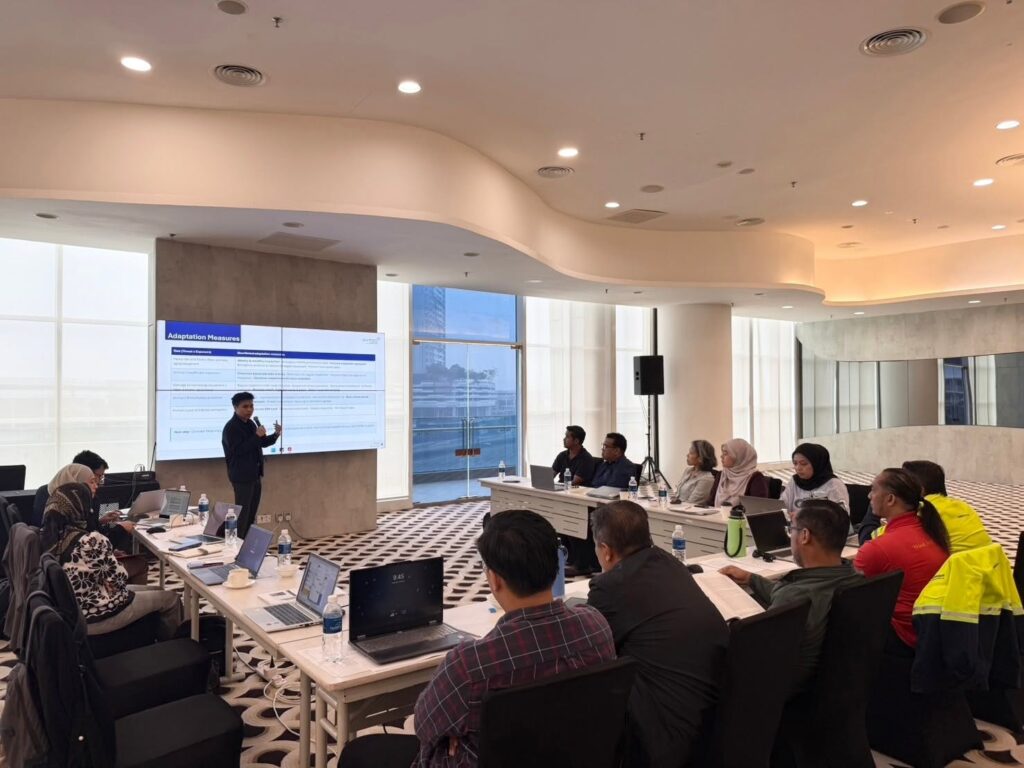
The National Energy Technology Center (ENTEC), National Science and Technology Development Agency (NSTDA), Thailand, provided technical advisory support to the Solar Research Institute (SRI), Universiti Teknologi MARA (UiTM), in conducting an Energy Resilience Assessment (ERA) of ZEC Solar Plant in Johor, Malaysia, through the Energy Resilience Assessment Workshop for ZEC Solar Plant organized by SRI–UiTM. The workshop comprised a site visit on 13 October, workshop sessions at Fraser Place Puteri Harbour, Johor, on 14–15 October 2026 and a project debrief after the closing session, bringing together representatives from Malakoff and other stakeholders involved in solar power plant operations.
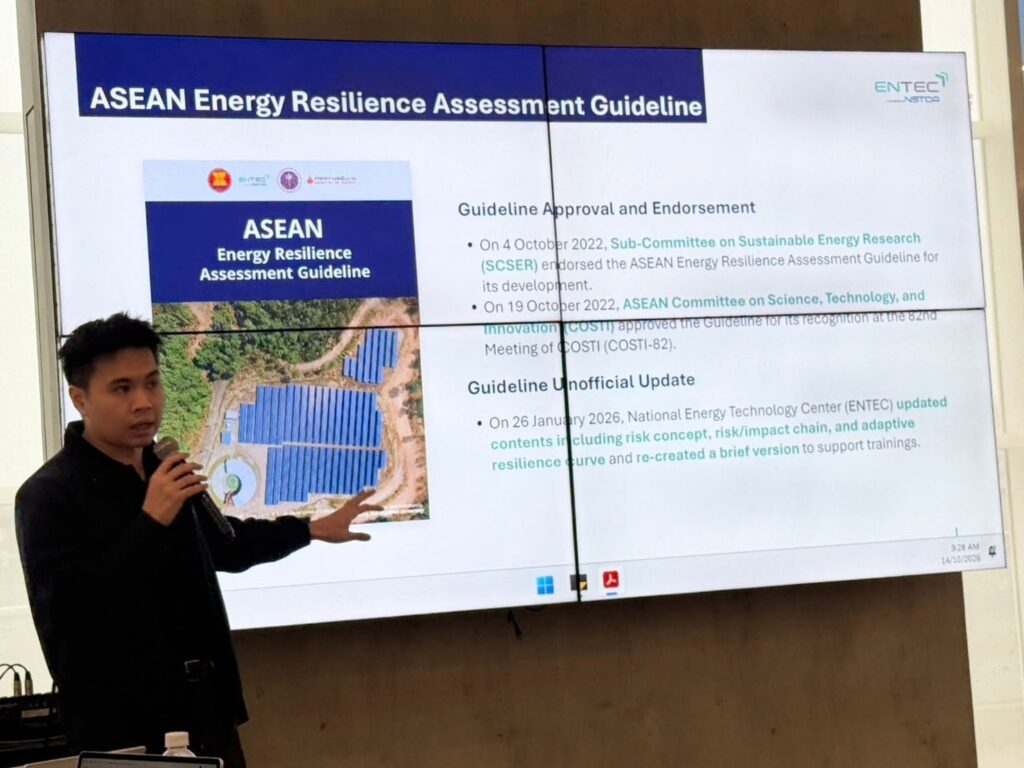
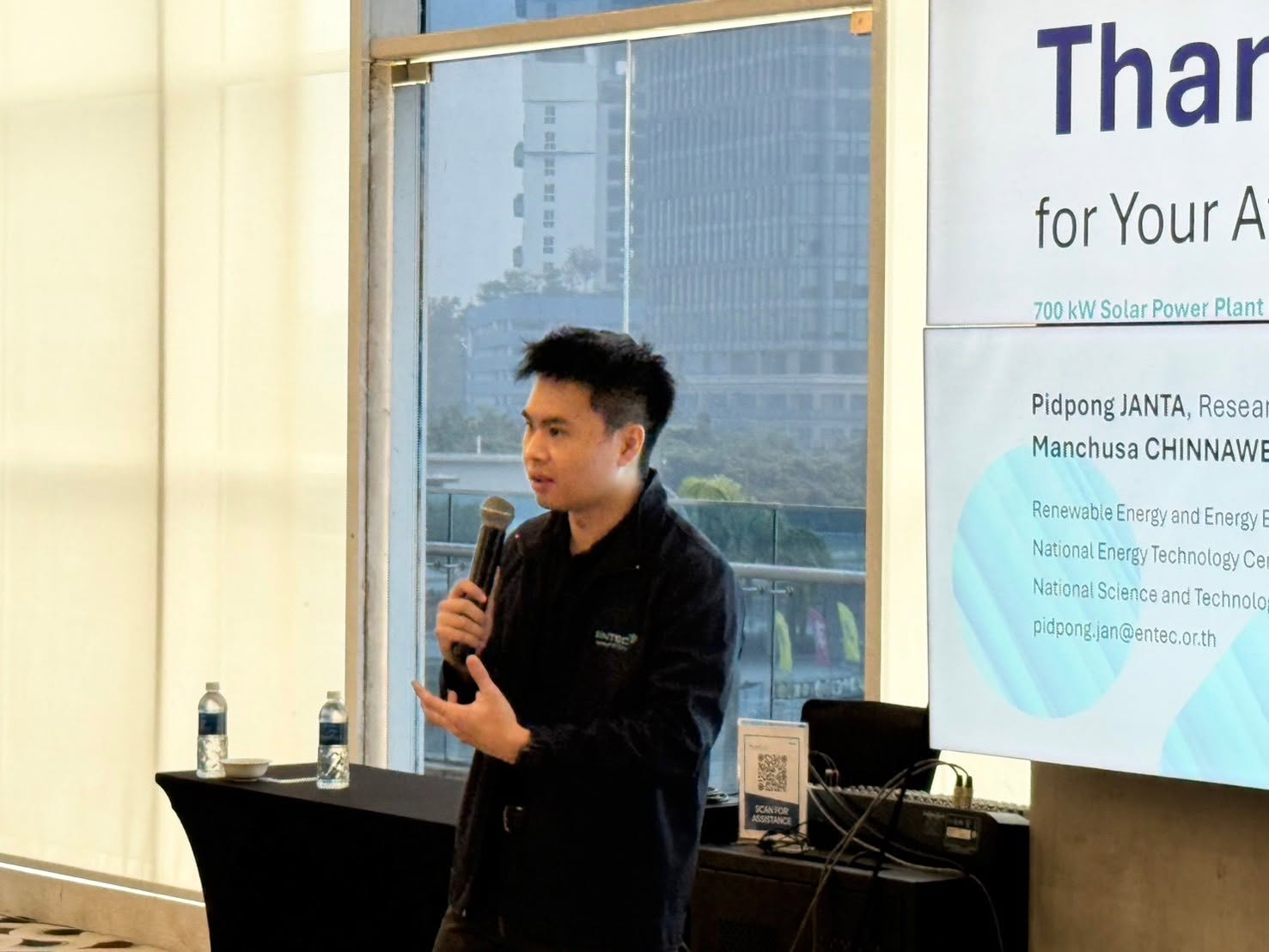
Mr. Pidpong Janta, Research Assistant, and Ms. Manchusa Chinnawet, Research Operations Assistant, from ENTEC’s Renewable Energy and Energy Efficiency Research Team (RENT), Low Carbon Energy Research Group (LCRG), were invited by SRI–UiTM to serve as facilitators and technical advisors to the assessment team, guiding technical discussions, group activities and the application of the ERA process to the ZEC solar power plant.
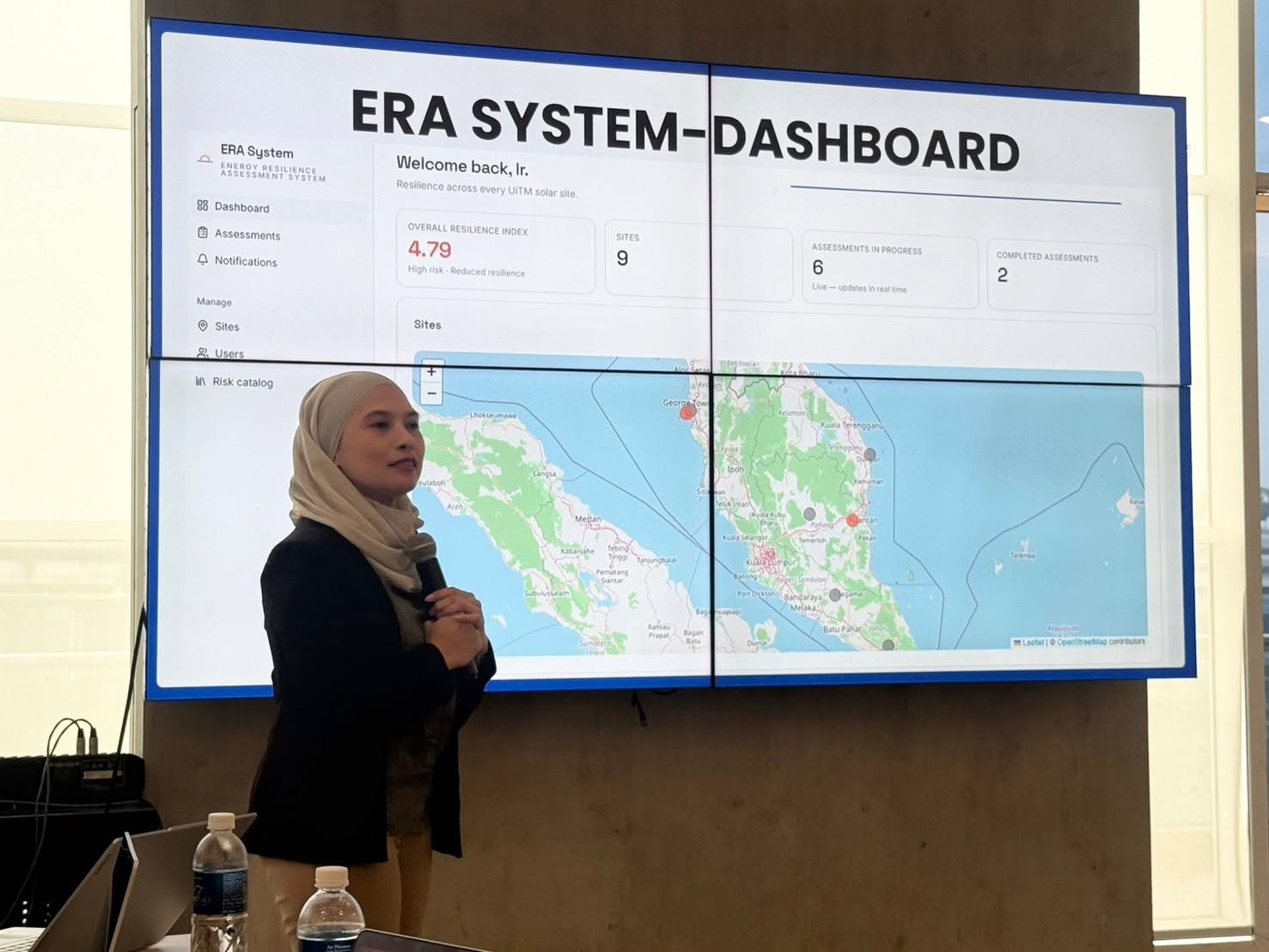
Through the assessment, participants examined potential threats, vulnerabilities and impacts on electricity generation and operational continuity. Key discussion topics included third-party construction risks, cable theft, premature solar panel degradation, monitoring and reporting gaps, and the clarity of organizational responsibilities. They also considered possible measures such as stronger surveillance, standard operating procedures (SOPs), improved monitoring systems and clearer staff roles, with attention to costs and feasibility. The workshop provided a structured basis for prioritizing measures to strengthen the plant’s resilience.
ENTEC also shared the presentation “Energy Resilience Assessment: Case Studies in Thailand”, highlighting a 702-kW solar power plant at the Asian Development College for Community Economy and Technology (adiCET), Chiang Mai Rajabhat University, and a hydrogen-based energy system at Phi Suea House, Chiang Mai. These examples supported technical exchanges on improving the preparedness and recovery capacity of renewable energy systems. The collaboration reinforces the practical application of energy resilience assessment to more reliable and sustainable clean energy infrastructure in ASEAN.